A vending machine sitting in the right location can earn money around the clock without you doing much at all. That’s the appeal. But before you picture passive income rolling in, the first real question is: how much does it actually cost to buy a vending machine?
The answer ranges more than most people expect — from a few hundred dollars for a used machine to well over $10,000 for a brand-new specialty unit. Where you land on that spectrum depends on the type of machine, whether it’s new or used, and what features matter to your business model.
Let’s break it all down in plain terms.
How Much to Buy a Vending Machine: New vs. Used
The single biggest factor in cost is whether you go new or used. And like most things, there are real trade-offs on both sides.
New Vending Machines
A brand-new vending machine from a manufacturer or authorized dealer typically runs:
- Basic snack or drink machine: $3,000 – $5,000
- Combo snack and drink machine: $5,000 – $8,000
- Refrigerated drink machine: $3,500 – $6,000
- Specialty machines (electronics, PPE, fresh food): $8,000 – $15,000+
New machines come with warranties, current technology (card readers, touchscreens, remote monitoring), and the peace of mind that nothing’s been worn down by years of use. If you’re placing a machine in a high-traffic location and reliability matters, new is worth the premium.
Used Vending Machines
This is where how much to buy a vending machine gets more accessible. A used snack or drink machine in decent condition typically costs:
- Older model, basic: $500 – $1,500
- Mid-range, functional: $1,500 – $3,000
- Refurbished with upgrades: $2,500 – $4,000
The risk with used machines is obvious — you don’t always know what you’re getting. Parts wear out. Older machines may lack card readers, which is a serious disadvantage since cashless payments now dominate. Always inspect a used machine in person or buy from a reputable refurbisher who offers some kind of guarantee.
How Much to Buy a Vending Machine by Type
Snack Machines
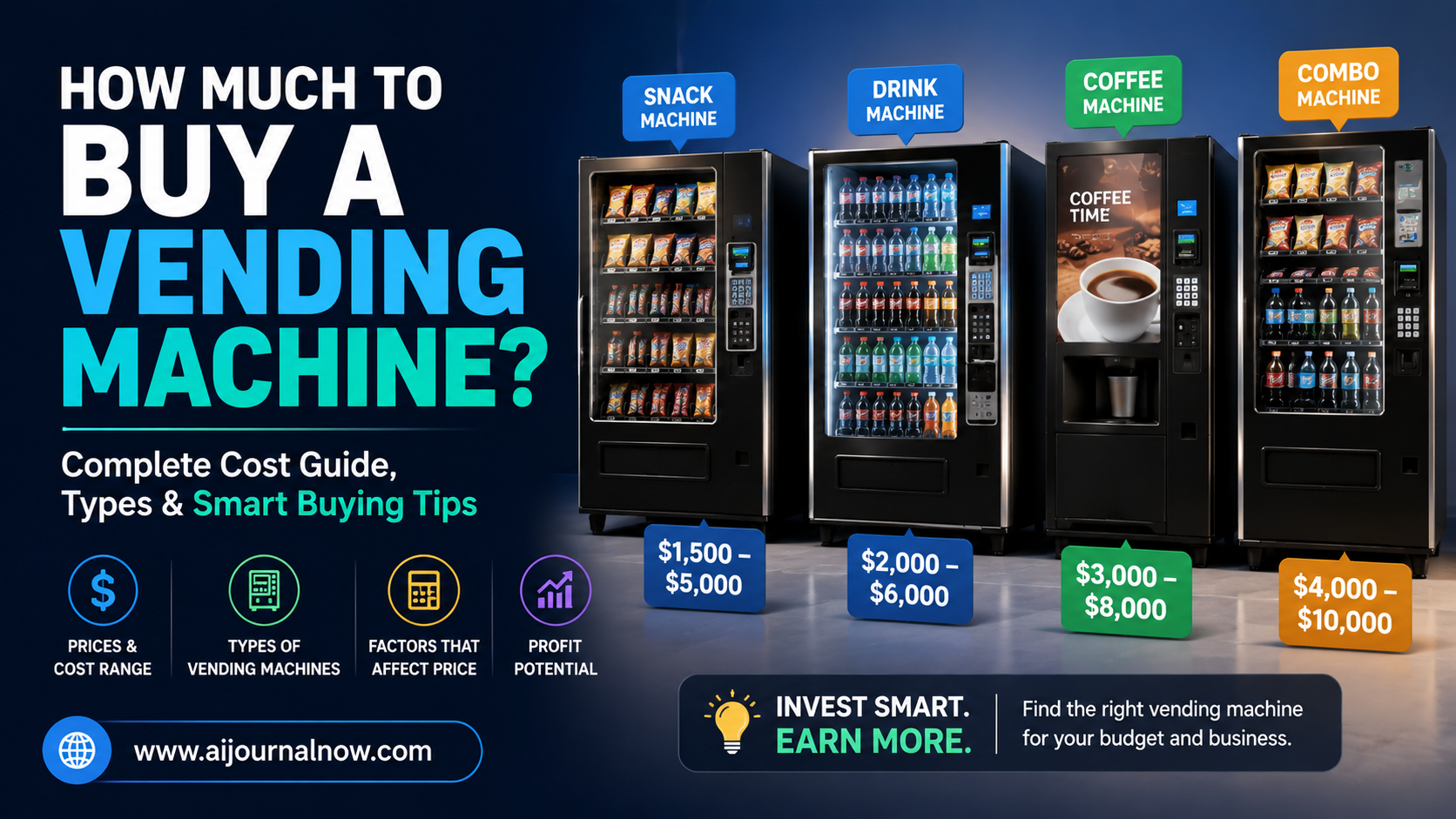
Standard snack vending machines are the most common entry point. Expect to pay $2,000 – $4,000 new. These hold chips, candy bars, crackers, and similar non-perishable items. Low maintenance, high familiarity, and easy to stock.
Drink Machines
Beverage machines — both canned and bottled — run similarly, around $2,500 – $5,000 new depending on capacity and cooling technology. Drinks tend to have high turnover, which makes them popular among first-time vending machine owners.
Combo Machines
Combo units handle both snacks and drinks in one machine. The cost is higher — typically $5,000 – $8,000 new — but you’re filling one footprint instead of two. Good option if your location has limited space.
Specialty Machines
This is where costs climb sharply. A machine selling electronics accessories, beauty products, or fresh meals can run $8,000 – $15,000 or more. The upside is higher margins per sale and less competition. The downside is a bigger upfront investment and a narrower location fit.
Coffee and Hot Beverage Machines
Office coffee machines and hot drink vending units typically run $4,000 – $10,000 depending on the brand and features. These work well in office settings where employees want a quality cup without leaving the building. They require more maintenance than cold machines — cleaning cycles, descaling, and so on — but they command higher per-cup pricing.
Also Read: Pinterest Description Generator: Don’t Guess, Get Discovered
Hidden Costs to Factor In
Understanding how much to buy a vending machine is only part of the financial picture. Before committing, consider these additional costs:
Location fees. Most private locations — gyms, office buildings, apartment complexes — charge either a flat monthly fee or a commission (typically 10–25% of sales) in exchange for the machine placement.
Restocking and product costs. Your inventory is an ongoing cost. A typical snack machine might need $100–$300 of product restocking each visit depending on size and turnover.
Maintenance and repairs. Even new machines break occasionally. Budget $200–$500 per year per machine for routine maintenance or unexpected repairs.
Card reader or payment upgrades. Older used machines may not have cashless payment capability. Adding a modern card reader can cost $300–$600 extra. In most locations today, this isn’t optional — it’s expected.
Transportation and installation. Getting a vending machine where it needs to go isn’t free. Delivery fees or hiring help to move a 400-pound machine can add $100–$500 depending on distance and access.
Is Buying a Vending Machine Worth It?
For the right person in the right location — yes, genuinely.
A well-placed snack machine in a busy office building, school, or gym can generate $200–$600 per month in revenue after product costs. A single machine won’t replace a salary. But two or three good machines in solid locations can build into a meaningful side income — or more, if you scale.
The business model is real. It’s just not passive in the way the highlight reels suggest. You’ll be restocking, monitoring, occasionally repairing, and actively finding good locations. The machines do the selling — but you still run the business.
Conclusion
So, how much to buy a vending machine? Realistically, budget $1,500 – $5,000 to get started with a solid used or entry-level new machine. Factor in setup costs, restocking, and location fees on top of that, and you’re looking at a few thousand dollars to launch your first machine properly.
It’s not a lottery ticket. But for someone willing to put in consistent, moderate effort, vending machines can be a genuinely profitable and scalable small business.
Do your research, inspect before you buy, and start with one machine in a location you’ve already confirmed — then build from there.
FAQs About How Much to Buy a Vending Machine
Q1: How much to buy a vending machine if I’m on a tight budget? You can get started for as little as $500–$1,500 by purchasing a used snack or drink machine from a private seller or local vending distributor. Just be prepared to inspect it carefully, verify that the coin mechanism and motor work properly, and potentially budget extra for a card reader upgrade if the machine doesn’t already have one.
Q2: Where is the best place to buy a vending machine? Reputable options include direct manufacturer websites, certified refurbishers like Vending.com or Craigslist (with caution and in-person inspection), local vending distributors, and auctions. For new machines, going directly through a manufacturer or authorized dealer gives you warranty protection. For used, always inspect in person before buying.
Q3: How long does it take to make your money back on a vending machine? In a high-traffic location, a $3,000 machine generating $400/month in net revenue (after product costs and location fees) would pay for itself in around 7–8 months. Lower traffic locations take longer. Most operators aim for a 12–18 month payback period as a reasonable benchmark.
Q4: Do vending machines require a business license? Requirements vary by city and state. Most areas require at least a basic business license and a seller’s permit for collecting sales tax. Some locations also require a health permit if you’re selling food or beverages. Check with your local government or a small business association before getting started — it’s usually straightforward, just necessary.
Q5: Can I finance a vending machine purchase? Yes. Some manufacturers and distributors offer financing plans, and equipment financing through small business lenders is also an option. Interest rates and terms vary, but financing can make sense if you’ve identified a strong location and want to preserve cash. Many first-time operators prefer to start with a used machine paid outright to minimize risk while they learn the business.