
If you’ve spent any time browsing watch counters in department stores or scrolling through Amazon’s watch section, you’ve probably run into pulsar watches without fully knowing the story behind the name. Most people assume it’s just another mall-brand label slapped on generic quartz movements. That’s not entirely fair to Pulsar, and it doesn’t capture the full picture either.
Pulsar has a genuinely compelling history, a giant range of price points, and a reputation that’s a bit more complicated than “cheap Seiko.” Let’s get into what you’re actually buying when you pick up one of these watches.
What Pulsar Watches Actually Are
Pulsar is owned by Seiko Group, which matters more than most people realize. It isn’t an unrelated budget label riding on Seiko’s coattails. It’s a sibling brand, positioned as the accessible, everyday entry point into Seiko’s watchmaking world, sitting below Seiko proper and well below higher-end lines like Grand Seiko.
What surprises many people is that Pulsar actually predates its current ownership by decades, and it has a legitimately notable place in watch history. The original Pulsar, launched in 1972, produced the first commercially sold electronic digital watch with an LED display, a genuine milestone that’s still referenced in discussions of the quartz crisis and the shift away from purely mechanical watchmaking. That original company went through ownership changes over the following years before the name eventually landed with Seiko, who relaunched it as a mainstream, affordable line in the 1980s.
So when you buy a modern pulsar watch, you’re getting a brand with real technical pedigree, even if today’s lineup is mostly built around simple, reliable quartz movements rather than anything groundbreaking.
What You Get for the Price
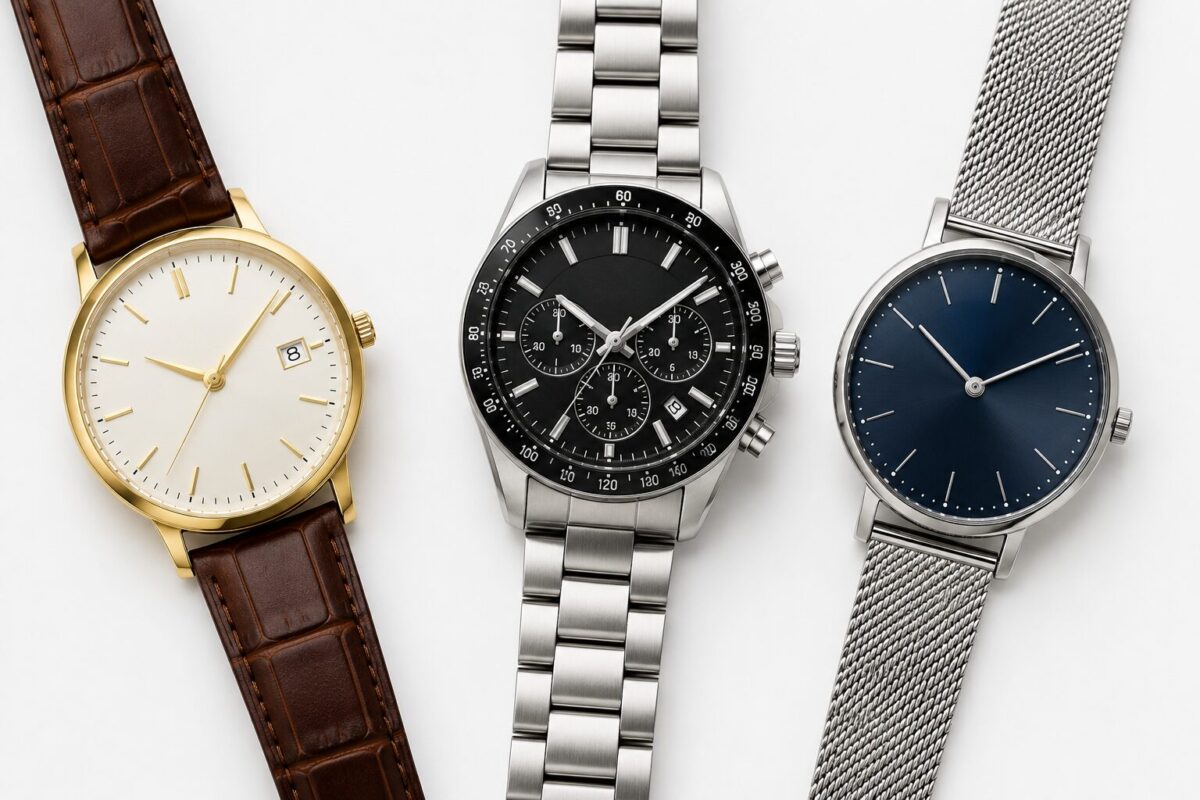
This area is where pulsar watches earn their keep. Most models fall somewhere between $60 and $200, which puts them squarely in the “gift watch” and “everyday beater” territory rather than luxury or even mid-tier enthusiast pricing. As of mid-2026, pricing has stayed fairly consistent with where it’s been for the past few years, though it’s always worth checking the official Pulsar site or an authorized retailer for current numbers, since department store sales and clearance pricing shift often.
For that money, you typically get a Japanese quartz movement, mineral crystal (occasionally sapphire on higher models), stainless steel or steel-plated cases, and reasonably solid water resistance for daily wear, usually in the 30 to 100 meter range, depending on the model.
In my experience, brands in this price bracket usually skimp on either movement reliability or case finishing. Pulsar generally holds up better on the movement side. The quartz calibers are Seiko-adjacent and tend to keep time accurately with minimal drift, which is really what most buyers care about anyway. Case finishing is where you notice the budget positioning more, with some models feeling a bit lighter or less refined up close than a comparable Seiko 5 or Citizen.
Collections Worth Knowing About
Pulsar doesn’t have a huge, complicated lineup, but there’s more variety than people expect.
The dress and everyday collections cover simple three-hand analog watches, often with date windows, in both men’s and women’s sizing. These are the bread-and-butter Pulsar pieces you’ll see most often, and they’re genuinely solid for office wear or as a first “real” watch for a teenager or young adult.
The chronograph lines step things up with stopwatch functions and busier dials, usually at a modest price bump over the basic models. Sport and dive-adjacent models exist too, though they lean more toward casual water resistance than genuine dive certification, so don’t expect ISO 6425 compliance here.
There’s also a solar-powered range, which is worth a specific mention because it solves the one real annoyance of quartz ownership: battery changes. If you tend to forget about watches sitting in a drawer, a solar model means you don’t come back to a dead battery every time.
Where Pulsar Falls Short
No brand is without weak spots, and it’s worth being direct about Pulsar’s.
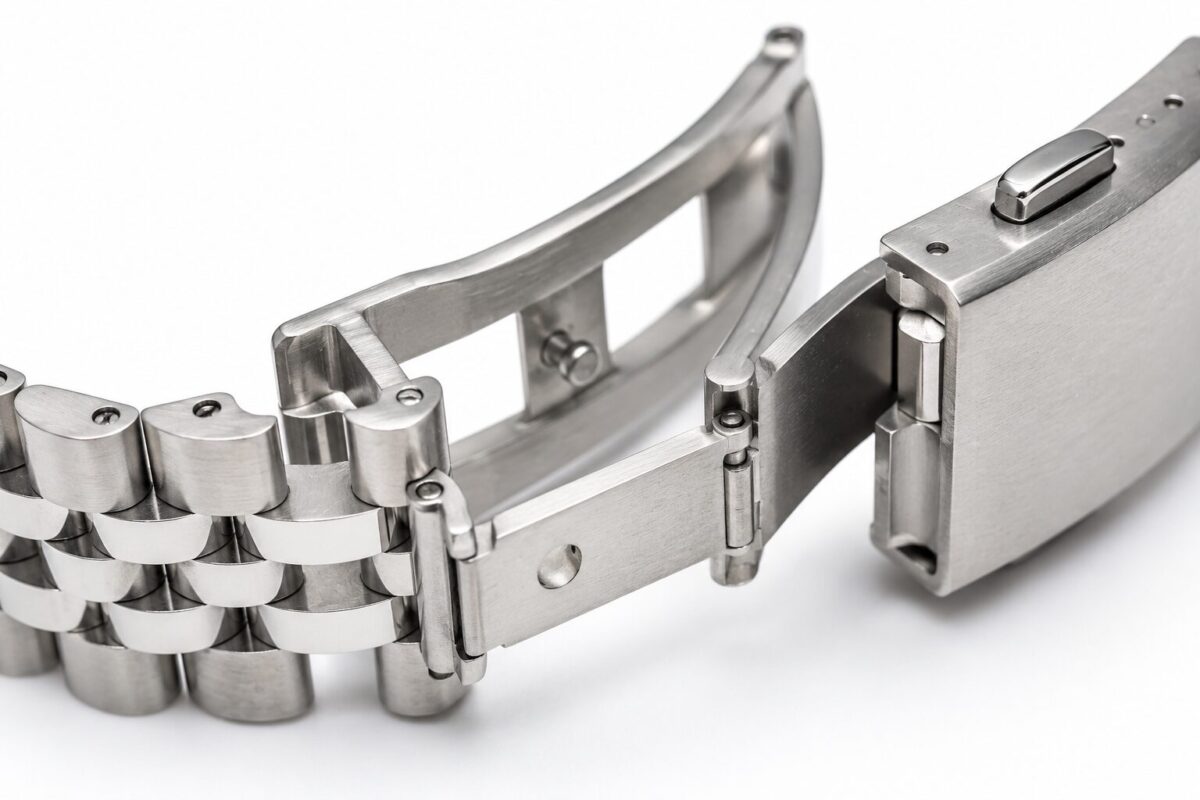
Build quality, while decent, doesn’t match Seiko’s own entry-level lines in a side-by-side comparison. Bracelets in particular tend to feel a bit hollow and lightweight, and clasps on the cheaper models aren’t always as secure as you’d want for daily active wear. Resale value is close to nonexistent, which isn’t unusual for this price segment, but it’s worth knowing going in if you’re the type who thinks about a watch as even a small investment.
Design is also fairly conservative. If you want something bold or distinctive, Pulsar’s catalog leans safe and traditional rather than fashion-forward. That’s not necessarily a flaw, but it does mean the brand isn’t really competing with something like a Fossil or a Michael Kors on style points.
Who Should Buy Pulsar Watches (and Who Shouldn’t)
Pulsar makes sense for a specific kind of buyer, and it’s worth being honest about that rather than pretending it fits everyone.
If you want a reliable, affordable, low-maintenance watch for work or daily wear and you’re not chasing brand prestige, pulsar watches are a genuinely sensible pick. They also make solid gift options, graduation presents, or a first “grown-up” watch, since the price point doesn’t sting if it gets a few scratches early on.
They’re a weaker fit if you care about resale value, want something mechanical, or are looking for a statement piece that signals watchmaking enthusiasm. Someone deep into the hobby side of watches, the kind of person who reads Hodinkee regularly, is probably going to outgrow Pulsar fast and start looking at Seiko’s higher lines or independent microbrands instead.
How Pulsar Watches Compare to the Alternatives
The most natural comparison is Seiko’s own entry-level range, particularly the Seiko 5 series. Seiko 5 watches generally cost more, sometimes noticeably so, but they offer mechanical automatic movements on many models rather than quartz, which appeals to a different kind of buyer. If you want to wind a watch or see a sweeping second hand, the Seiko 5 wins easily. If you just want accurate, low-fuss timekeeping, Pulsar’s quartz reliability is arguably the better everyday tool.
The Citizen sits in a similar bracket to the Pulsar and competes hard on solar (Eco-Drive) technology, with a slightly wider design range. Timex is the other obvious comparison, generally a touch cheaper, with a more fashion-driven catalog and a longer track record in the American market specifically. You can browse Timex’s current lineup to get a feel for how the pricing and styling differ.
None of these brands is objectively “better” across the board. It really comes down to whether you want mechanical versus quartz, solar versus battery, and how much design personality matters to you.
Pulsar Watches: Buying Tips Before You Commit
A few things worth checking before you pull the trigger on a specific model. Water resistance ratings vary a lot within the Pulsar catalog, so don’t assume every model handles swimming or showering well, since some are rated for splash resistance only. Check the specific model page or the Wikipedia entry on Pulsar for a general overview of the brand’s history and product range if you want more background before buying.
It’s also worth buying from an authorized retailer or a recognizable platform rather than an unfamiliar third-party seller, since counterfeit and gray-market watches do circulate in this price bracket. Authorized sellers also tend to honor Seiko Group’s warranty coverage properly, which typically runs one to two years depending on region and retailer, though you should confirm current warranty terms directly with the seller since these details can change.

Pulsar Watches: Frequently Asked Questions
Are pulsar watches made by Seiko? Yes. Pulsar is owned and manufactured under Seiko Group, positioned as its accessible, budget-friendly line.
Do pulsar watches use good movements? They use Japanese quartz movements that are generally accurate and low-maintenance. They’re not mechanical in most cases, so don’t expect the appeal of a hand-wound or automatic caliber.
Are pulsar watches worth it? For everyday, low-fuss wear at a modest price, yes. For collectors or anyone chasing resale value, probably not.
How long do pulsar watch batteries last? Typical quartz batteries in this range last around two to three years under normal use, though solar models avoid this issue almost entirely.
Is Pulsar the same as the original 1970s Pulsar brand? The name has the same historical roots, but ownership changed hands multiple times before Seiko relaunched it as today’s affordable line, so the modern watches aren’t connected to the original LED digital watch technology beyond sharing the brand name.
Pulsar isn’t trying to be anyone’s forever watch. It’s trying to be the reliable, affordable one you don’t think twice about wearing every day, and on that specific goal, it mostly delivers.