If you’ve noticed a deposit labeled “Lopez v Apple Inc” or “Lopez Voice Assistant” in your bank account lately, you’re not imagining it. Lopez v Apple Inc is a class action lawsuit that accused Apple of letting Siri record private conversations without consent, and it just wrapped up with a $95 million settlement. If you owned a Siri-enabled device over the last decade, there’s a decent chance you’re eligible for a payment, even a small one.
I’ve followed a fair number of consumer privacy settlements over the years, and this one stands out because it touches almost every Apple product line at once. iPhones, iPads, Apple Watches, MacBooks, HomePods, and even the Apple TV. That’s a lot of devices, and it’s part of why the claims process has gotten so much attention.
What about the Lopez v Apple Inc Lawsuit Actually Alleged
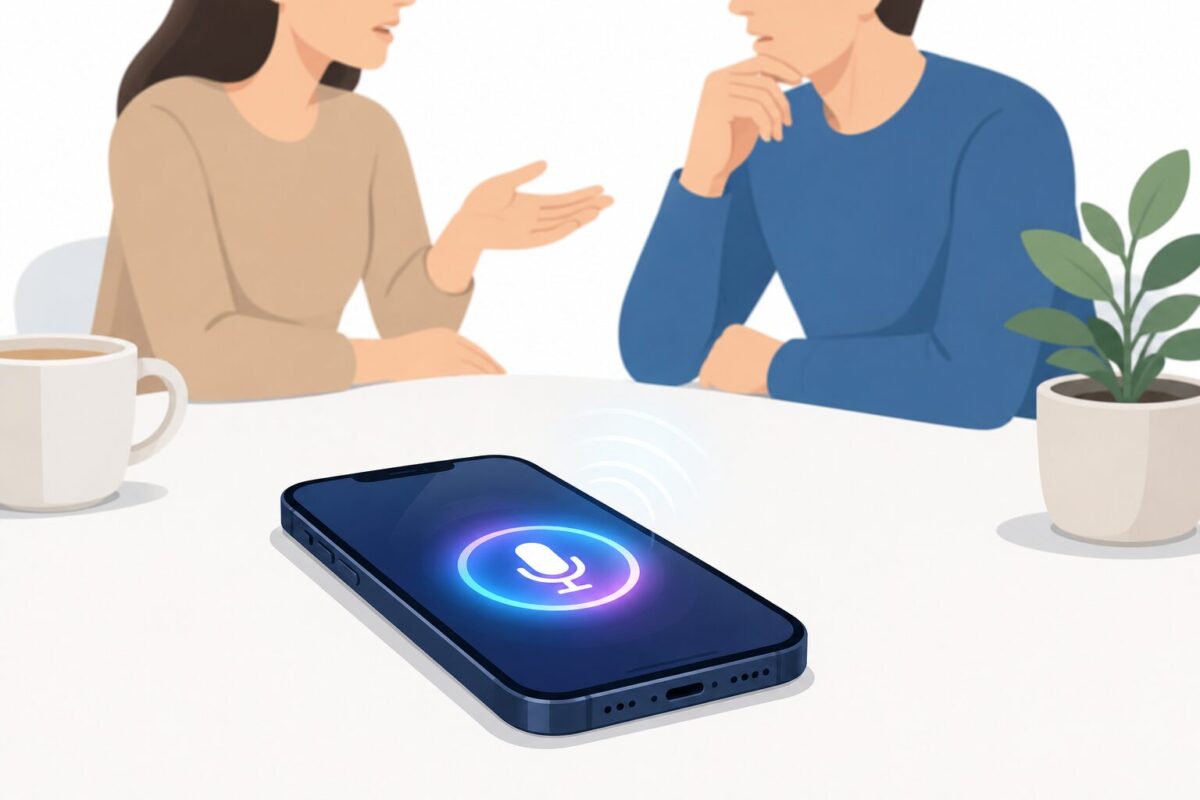
The case was filed in the U.S. District Court for the Northern District of California, docketed as case number 4:19-cv-04577-JSW. The plaintiffs argued that Siri would sometimes activate without anyone saying “Hey Siri,” picking up snippets of conversation the person never intended to share. Once triggered, those recordings could be captured, stored, and in some cases reviewed by people outside the household, which the lawsuit framed as a violation of federal and state wiretapping and privacy laws.
This wasn’t a case about Siri working as advertised and someone simply disliking it. The core complaint was about unintended activations, moments where the assistant woke up on its own and recorded something private, like a conversation with a doctor or an argument at home, without the user ever meaning to invoke it.
The 2019 Report That Started It All
Part of what gave this lawsuit its teeth was a 2019 report that revealed Apple contractors were listening to snippets of Siri audio, including recordings that captured sensitive moments like medical appointments and confidential business dealings. Apple had described the practice at the time as a routine quality check meant to improve Siri’s accuracy and its dictation feature, and it later scaled back the human review program and made it opt-in.
That reporting is what turned a vague unease about voice assistants into a concrete legal theory. Once it became public that real people, not just algorithms, were sometimes hearing these clips, the privacy argument had a much sharper edge. Anyone curious about how Siri works under the hood can see how much of its design depends on cloud processing and, at least historically, some degree of human-in-the-loop review.
Lopez v Apple Inc: A Rocky Road Through Discovery
The litigation didn’t move quickly, and it got messier than a typical consumer class action. At one point, a federal judge sanctioned Apple after finding the company had deleted data connected to millions of proposed class members’ Siri records, including material plaintiffs said documented the alleged interceptions. The court left it to a jury to decide whether the deletion was intentional, but the sanctions ruling alone gave the plaintiffs real leverage heading into settlement talks.
In my experience, evidence disputes like this tend to push big companies toward settlement rather than trial. A jury weighing whether a company destroyed relevant data is an unpredictable variable, and unpredictability is expensive to insure against. Apple ultimately chose to resolve the case rather than let a jury decide that question, all while continuing to deny any wrongdoing.
Terms of the $95 Million Settlement
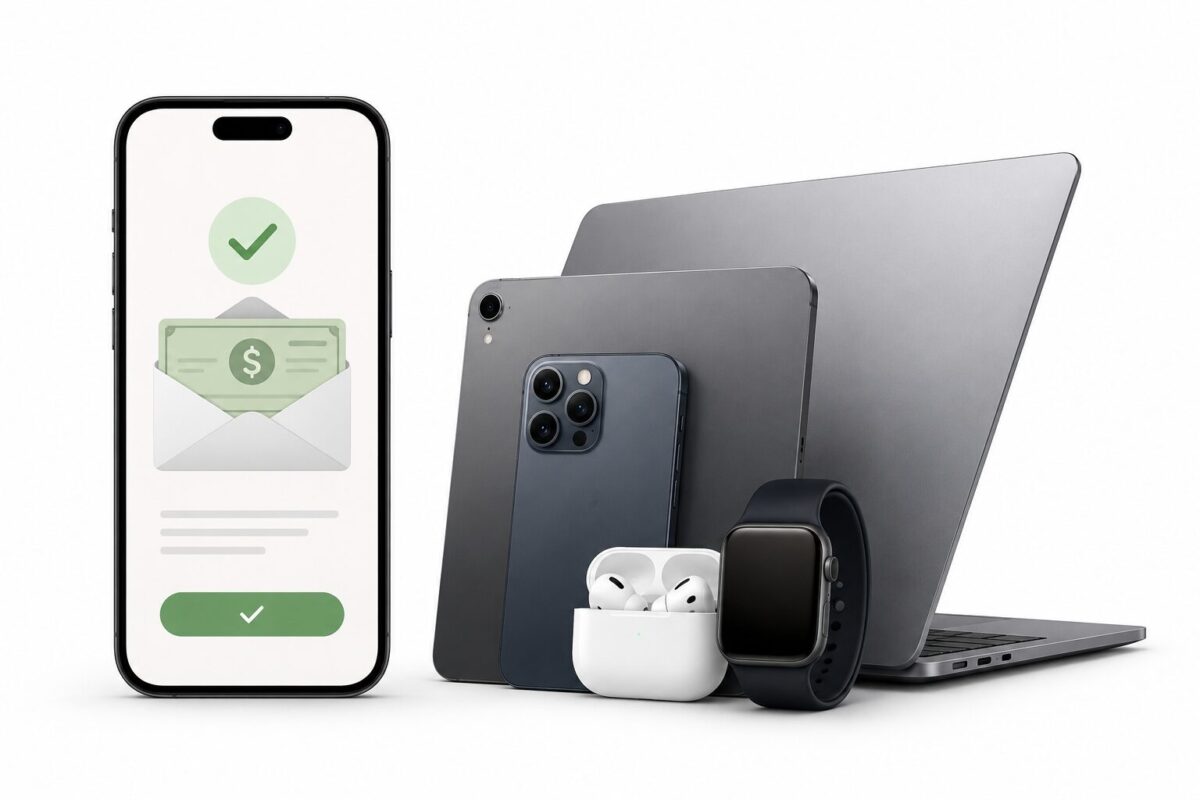
U.S. District Judge Jeffrey S. White granted final approval of the settlement in Lopez v Apple Inc, closing out years of litigation. The settlement fund totals $95 million, and it covers anyone who owned or purchased a Siri-enabled device (iPhone, iPad, Apple Watch, MacBook, iMac, HomePod, iPod touch, or Apple TV) and experienced an unintended Siri activation during a private or confidential conversation between September 17, 2014, and December 31, 2024.
Here’s how the math works out for individual claimants. Each qualifying device is worth up to $20, and a person can submit claims for as many as five devices, which caps the maximum individual payout at $100. That’s the ceiling, not the guarantee. Because payouts depend on the total number of valid claims filed against the fixed $95 million pool, actual payments have landed well below that cap. Reports from people who’ve already received funds suggest the average payment has been closer to $8 per device, meaning most claimants are seeing somewhere between a few dollars and around $40, depending on how many devices they claimed.
If leftover funds remain after paying class members and attorneys’ fees, the settlement terms specify that money won’t simply revert to Apple. Instead, both sides negotiate how to allocate what’s left, which is a fairly standard cy pres arrangement in class action settlements. For readers who want the full legal background on how the class was defined, Law360’s case tracker has followed the docket closely from the early motions through final approval.
Who Actually Qualifies, and Who Doesn’t
Eligibility hinges on two things: owning a Siri-enabled device during the class period and having experienced an unintended activation during a private conversation. That second part sounds hard to prove, and in practice it wasn’t. Most claim forms didn’t require documentation of a specific incident. Given how Siri’s “always listening for the wake word” design works and how often it has been shown to misfire, the settlement administrators treated ownership of a qualifying device during the class period as sufficient grounds for a claim in most cases.
People outside the United States and its territories are excluded, as are Apple employees, its directors and officers, and the judges assigned to the case along with their staff and immediate families. That’s fairly standard boilerplate for this kind of settlement and isn’t unique to Lopez v Apple Inc
One thing worth flagging: if you already filed a claim and it was rejected, the settlement administrator’s decisions were largely final barring an appeal process outlined in the official notice. The official settlement site is the best place to check claim status directly, since third-party summaries can lag behind the actual administrator’s records.
Lopez v Apple Inc: When Payments Started Going Out
Payments began going out on January 23, distributed through direct deposit, Venmo, PayPal, or paper check, depending on what each claimant selected during the filing process. People who filed early and chose electronic payment methods generally saw their funds first, while paper check recipients have reported somewhat longer waits, which tracks with how most large class action distributions tend to roll out.
If you filed a valid claim and haven’t seen anything yet, it’s worth double-checking the payment method you selected and confirming your contact information wasn’t outdated by the time distribution began. Settlement administrators typically run distributions in waves rather than all at once, so a short delay isn’t automatically a red flag.
What This Case Says About Voice Assistant Privacy
Lopez v Apple Inc isn’t the first privacy dispute tied to smart assistants, and it won’t be the last. Amazon settled a similar case over Alexa recordings, and Google has faced its own scrutiny over voice data collection. What makes the Apple case notable is the scale of the settlement and how directly it ties back to a specific, well-documented practice: human contractors reviewing audio clips that were never meant to be heard by anyone.
For everyday users, the practical takeaway is a reminder that “always listening for a wake word” technology isn’t foolproof. Microphones built into phones, watches, and smart speakers occasionally misfire, and when they do, whatever gets said in that window can end up somewhere unexpected. Apple has since made changes to how Siri audio review works, shifting to an opt-in model for human grading rather than treating it as a default. You can read more about how the company frames its current approach on Apple’s privacy overview page, and the Wikipedia entry on Siri has a solid rundown of the assistant’s history and the controversies that have shaped it.
I’d also gently push back on the idea that this settlement proves anything definitive about wrongdoing. Apple denied the allegations throughout, and the settlement doesn’t include any admission of liability. What it does confirm is that the company decided paying out $95 million was preferable to letting a jury weigh the spoliation findings and the underlying privacy claims together at trial.
Lopez v Apple Inc: Frequently Asked Questions
Is Lopez v Apple Inc still open? No. The case reached final settlement approval, and Apple’s $95 million fund is now being distributed to eligible class members. The litigation itself is closed, though claim processing and payment distribution can continue for months after final approval.
Do I need proof that Siri recorded me without permission? Most claimants didn’t need to submit specific evidence of an incident. Owning a qualifying Siri-enabled device during the class period, from September 17, 2014, to December 31, 2024, was generally enough to support a claim.
How much money will I actually get? The cap is $20 per device for up to five devices, or $100 total. Actual average payouts have run lower, closer to $8 per device based on reports from claimants, since the fixed settlement pool gets divided among everyone who filed valid claims.
Can I still file a claim? The claims deadline has passed for most class members, and the settlement is now in the distribution phase. If you believe you missed the window, the official settlement site is the right place to check whether any late-claim provisions apply to your situation.
Did Apple admit to any wrongdoing? No. Apple has consistently denied the allegations in Lopez v Apple Inc, and the settlement agreement doesn’t include an admission of liability. It resolves the litigation without Apple conceding that it did anything improper.