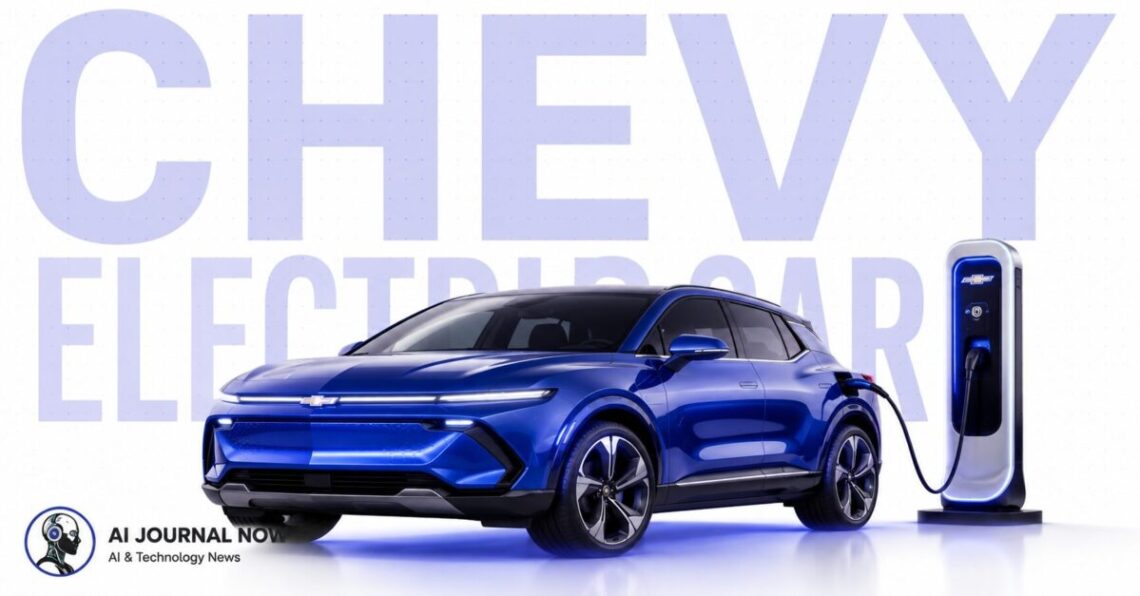
If you’ve started cross-shopping a Chevy Electric Car, you’ve probably noticed the lineup looks nothing like it did even three years ago. Chevrolet killed off the original Bolt, rebuilt its EV strategy around the Ultium battery platform, and came back with an entirely different set of vehicles: a compact SUV, a midsize performance SUV, and a full-size electric pickup. The Bolt itself is also returning for 2026, which changes the math for anyone who wanted something smaller and cheaper.
None of these vehicles share a platform with the old Bolt or Volt. That matters, because it means Chevy isn’t just slapping a battery into an existing gas car. Each model was designed as an EV from the ground up, and it shows in how they drive and how much interior space they free up.
Here’s what’s in the lineup now, what each costs, and who should (and shouldn’t) consider one.
What’s Actually in the Chevy Electric Car Lineup
As of mid-2026, Chevrolet’s EV lineup is built around three core vehicles, with a fourth rejoining the family:
- Equinox EV — compact electric SUV, the entry point into the lineup
- Blazer EV — midsize SUV with a genuine performance edge in its SS trim
- Silverado EV — full-size electric pickup aimed at towing and work use
- Bolt EV — the compact hatchback returning for 2026 after being discontinued in 2023
That’s a wider spread than most people expect from Chevy. In my experience, shoppers walk in assuming there’s basically one Chevy EV, and they’re surprised to find out the price gap between the cheapest and most expensive model is close to $65,000.

Equinox EV: The Practical Starting Point
The Equinox EV is where most Chevy Electric Car shoppers should start looking, mainly because it’s the only model priced close to the segment average. Base trims land in the mid-$30,000s before incentives, and top trims stretch toward the mid-$40,000s.
Range tops out at an EPA-estimated 319 miles on the higher trims, according to Chevrolet’s official EV lineup page. That’s competitive with the Hyundai Ioniq 5 and well ahead of what most budget EVs offered two or three years ago. The interior uses an 11.3-inch touchscreen with Google built-in, and the cabin feels noticeably roomier than the gas Equinox, since the EV platform doesn’t need to package a transmission tunnel or engine bay the same way.
What tends to surprise people is how quiet and planted it feels at highway speeds. It’s not sporty, and it’s not trying to be. It’s a family SUV that happens to be electric, and that’s honestly its biggest selling point.
Where it falls short: the base trim’s lower range figure and the fact that DC fast charging, while available, isn’t the fastest in its class. If road trips are a regular part of your driving, budget extra charging stops compared to some competitors.
Blazer EV: The One With Actual Performance Ambitions
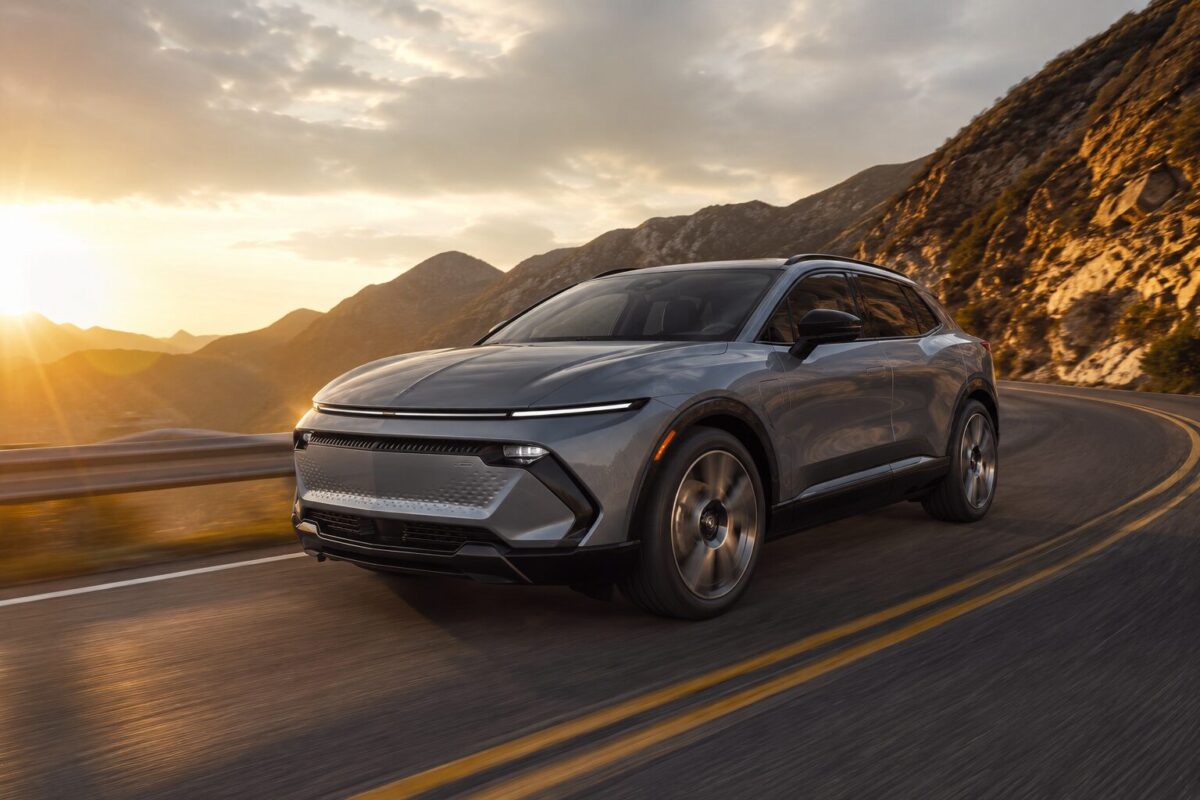
The Blazer EV sits above the Equinox in both price and attitude. LT trims start around $44,700, the RS moves up from there, and the SS trim, which starts near $60,700, brings 615 horsepower and a 0-60 time under four seconds. That’s genuinely quick for a midsize SUV, electric or otherwise.
The range runs roughly 303 to 312 miles depending on trim and drivetrain, per figures reported by Kelley Blue Book. Super Cruise, GM’s hands-free driving system, comes standard on the SS and is available on other trims, which is a real differentiator against rivals that still charge extra or don’t offer anything comparable.
One thing worth flagging: the RWD trim was dropped for 2026, so buyers now choose between FWD and AWD configurations only. That simplifies the lineup but also removes the cheapest possible entry point into the Blazer EV name.
Silverado EV: Built for Towing, Priced Like It
The Silverado EV is a different animal entirely, and it’s the clearest sign that Chevy isn’t treating electric trucks as a compromise. Base models start around $54,895, with the off-road-focused Trail Boss trim running from $72,095 up to $88,695 for the max-range configuration.
Power output reaches up to 725-760 horsepower depending on the source and trim, with towing capacity around 12,500 pounds and payload near 2,100 to 3,350 pounds. GM estimates range as high as 478 miles on the Trail Boss max-range battery, which is genuinely impressive for a full-size pickup, since range typically craters once you’re hauling weight or fighting wind resistance at highway speeds.
This isn’t a truck for someone who just wants a daily commuter with a bed. It’s built for people who actually tow trailers, haul equipment, or need serious payload capacity, and the price reflects that. If towing isn’t part of your routine, the Silverado EV is more truck (and more money) than you need.
Bolt EV: Small, Cheap, and Coming Back
Chevrolet discontinued the original Bolt EV at the end of 2023, and its return for 2026 has been one of the more anticipated moves in the brand’s EV strategy. Newsweek named it one of the most anticipated new vehicles of the year, which tells you how much pent-up demand there was for a genuinely affordable electric hatchback.
Early figures point to an EPA-estimated range around 262 miles, an 11.3-inch touchscreen, and a compact footprint built for city driving. Pricing and full trim details were still firming up as the model rolled out, so anyone seriously considering the Bolt EV should confirm current specs and MSRP directly on Chevrolet’s site before making a decision, since early production details on returning models tend to shift.
If your budget caps out well below Equinox EV territory, the Bolt EV is worth waiting on rather than settling for a used gas compact.
Chevy Electric Car Comparison Table
| Model | Starting Price | EPA/GM-Est. Range | Best For |
|---|---|---|---|
| Bolt EV | TBD, entry-level | ~262 miles | City driving, tightest budgets |
| Equinox EV | ~$35,000 | Up to 319 miles | Everyday family SUV use |
| Blazer EV | ~$44,700 (SS ~$60,700) | ~303-312 miles | Buyers who want speed and style |
| Silverado EV | ~$54,895 | Up to 478 miles | Towing, hauling, work use |
Pricing shifts fairly often with incentives and trim changes, so treat these as directional rather than exact. Always check current MSRP on Chevrolet’s official site before budgeting.
Charging, Ownership Costs, and the Battery Warranty
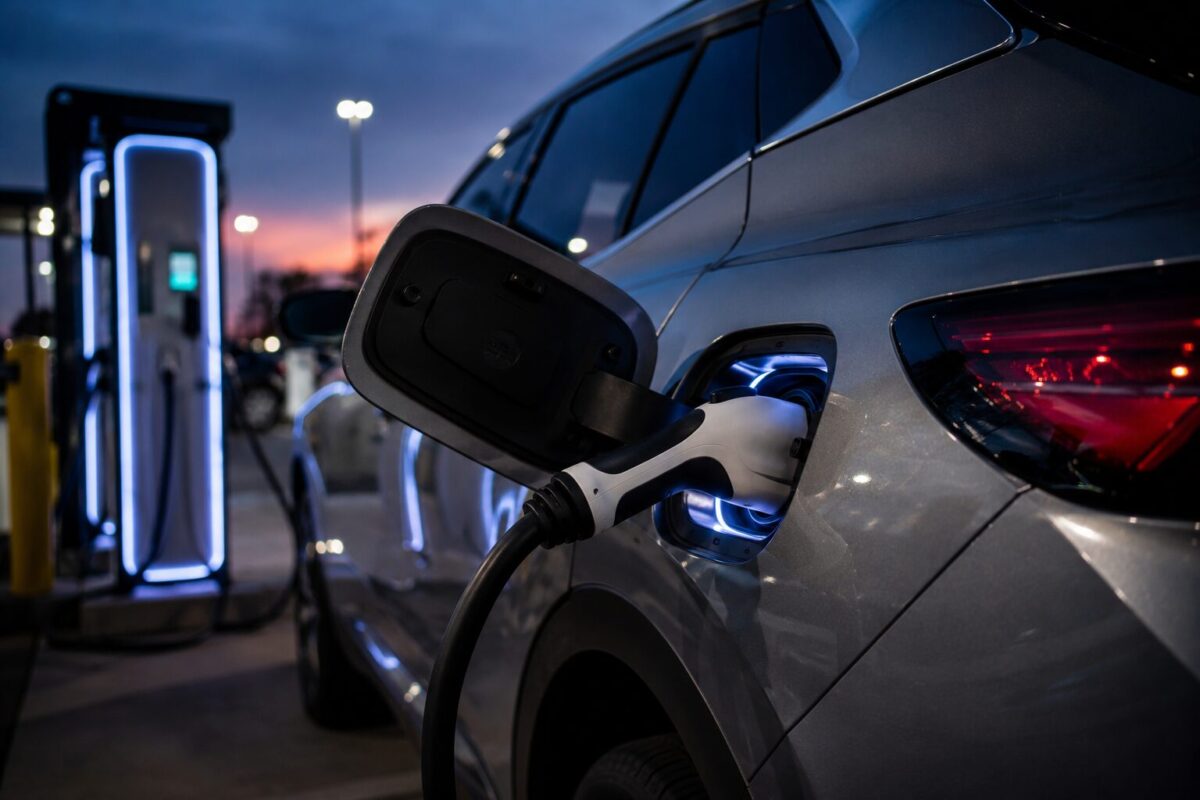
Every Chevy Electric Car comes with access to a public charging network of more than 250,000 chargers, plus the option of home charging overnight. DC fast charging on the Equinox EV, for example, adds roughly 80 miles of range in about 10 minutes under ideal conditions.
Chevrolet backs its EV batteries with an 8-year or 100,000-mile warranty, whichever comes first. That’s standard for the segment, but it’s worth knowing going in, especially if you’re buying used and want to check how much coverage is left.
Federal and state EV incentives change often enough that quoting a specific dollar figure here would be irresponsible. Check current eligibility and credit amounts through fueleconomy.gov before assuming a particular vehicle qualifies, since rules around income caps, assembly location, and price limits have shifted more than once in the last few years.
Under the hood, every current Chevy EV runs on GM’s Ultium battery platform, a modular architecture shared across Chevrolet, GMC, and Cadillac EVs. That shared platform is part of why range and charging speeds are fairly consistent across such different body styles.
Chevy Electric Car vs. the Competition
Tesla’s Model Y still undercuts the Blazer EV on some trims while offering a more mature Supercharger network, though Chevy’s fast-charging access has closed much of that gap. The Hyundai Ioniq 5 and Kia EV6 compete directly with the Equinox EV on price and interior tech, and both are worth a test drive before committing. Ford’s F-150 Lightning is the closest rival to the Silverado EV, with similar towing ambitions but generally shorter max range on its top trims.
None of these are bad choices. What Chevy offers that’s genuinely harder to find elsewhere is Super Cruise across multiple body styles, plus a lineup that spans from hatchback to full-size truck under one badge.
Who Should Buy a Chevy Electric Car (and Who Shouldn’t)
Buy one if you want a mainstream, well-supported EV with strong range numbers and don’t need bleeding-edge charging speed. The Equinox EV in particular makes sense for anyone replacing a gas SUV who wants lower running costs without learning an entirely new ownership experience.
Skip it if ultra-fast charging is a dealbreaker or if you’re specifically chasing the lowest possible price point before the Bolt EV’s final specs and pricing are confirmed. Buyers who tow heavy trailers regularly but want to stay under $50,000 will also find the Silverado EV’s real-world pricing higher than expected once you add the trims that deliver the advertised range.
FAQs
Is a Chevy Electric Car cheaper to run than a gas Chevy? Generally yes, on a per-mile basis, since electricity costs less than gasoline in most regions and EVs have fewer moving parts that need maintenance. Actual savings depend heavily on local electricity rates and how much of your charging happens at home versus public rapid chargers.
How long does the battery last on a Chevy Electric Car? Chevrolet’s battery warranty covers 8 years or 100,000 miles, whichever comes first. Real-world degradation varies by climate, charging habits, and how often the battery is charged to 100%.
Which Chevy Electric Car has the longest range? Currently the Silverado EV has GM estimating up to 478 miles on its Trail Boss max-range configuration, though that figure applies to specific trims rather than the base truck.
Is the Bolt EV coming back in 2026 the same as the old one? No. It’s built on updated architecture and returns after being discontinued at the end of 2023, so expect differences in tech, styling, and possibly range compared to the original model.
Whichever direction you go, spend time in the actual seat before deciding. Range numbers and horsepower figures tell part of the story, but how a Chevy Electric Car feels on your specific commute is the part no spec sheet can answer for you.