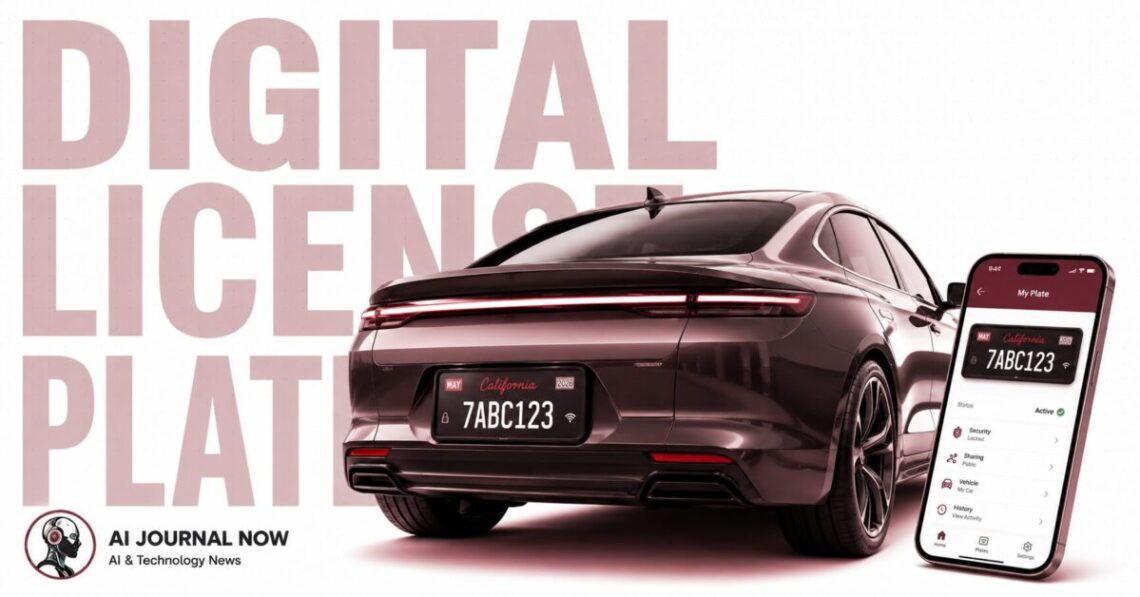
A digital license plate looks like something out of a concept car brochure, except it’s already sitting on real vehicles in a handful of states. Instead of stamped metal and reflective paint, you get a thin electronic display that shows your registration info, and in some cases, a lot more than that.
I’ll be upfront: the device is still a niche product. Most drivers have never seen one in person. But the technology has moved past the novelty phase, and it’s worth understanding what it actually does before you decide whether it’s worth the cost.
What a digital license plate! Actually Is
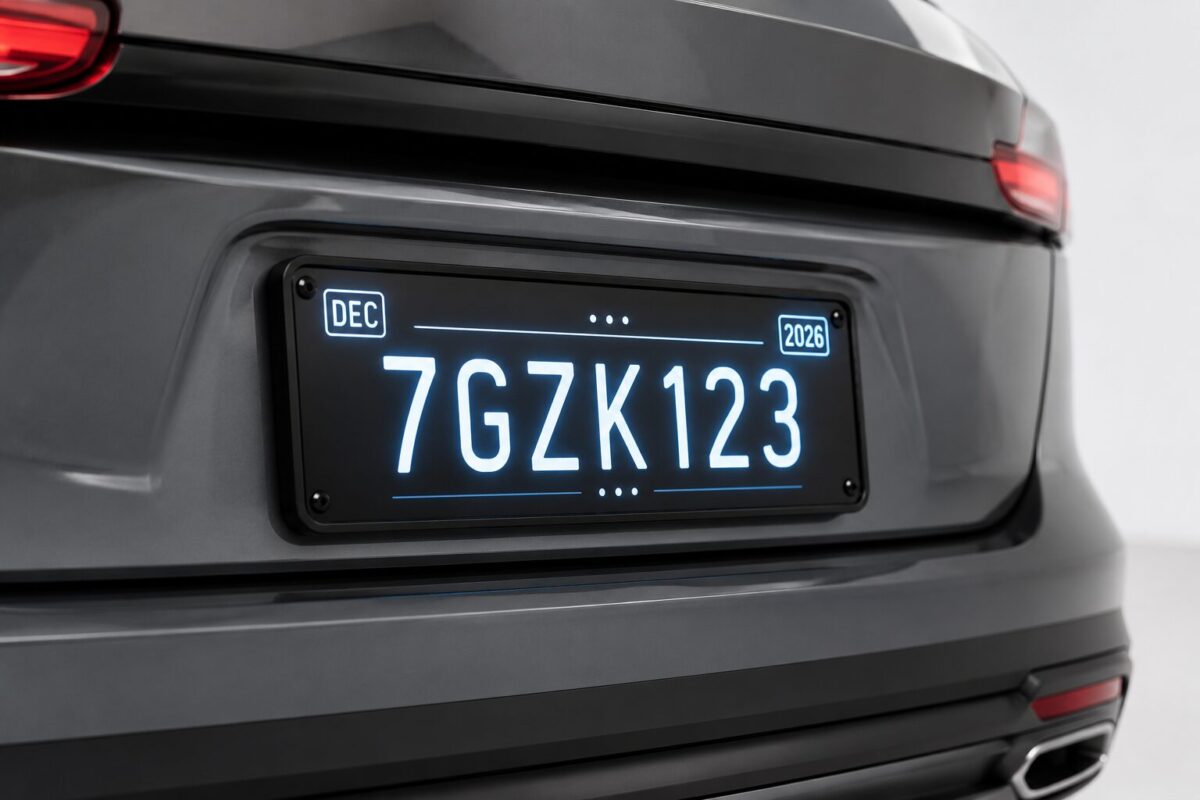
A digital license plate replaces the traditional embossed plate with an e-ink or LED screen that displays your license number, state, and registration status. The screen connects to a small onboard module, usually tucked behind the plate or wired into the vehicle, that pulls data over a cellular connection.
The best-known example is Reviver’s RPlate, currently the only company selling digital plates directly to consumers in the United States. Ford also experimented with digital plates as a factory option on select models a few years back, though that partnership has since wound down.
What makes these different from a sticker or a wrap is the connectivity. Because the plate talks to a server, it can update your registration status the moment you renew, without a physical sticker in the mail. Some models also support custom messages, a “stolen” alert broadcast if your car gets taken, and location tracking through a companion app.
How the Technology Works Under the Hood
The plate itself is either e-ink, similar to what you’d find on an e-reader, or a small LCD/LED panel. E-ink versions are more common because they sip power and stay legible in direct sunlight, which matters a lot for something bolted to the outside of a car.
Power usually comes from the vehicle’s electrical system through a wiring harness, though some early versions used replaceable batteries. A cellular chip inside the module keeps the plate synced with the DMV’s records, so when you pay your registration online, the plate can flip to “current” without you doing anything else.
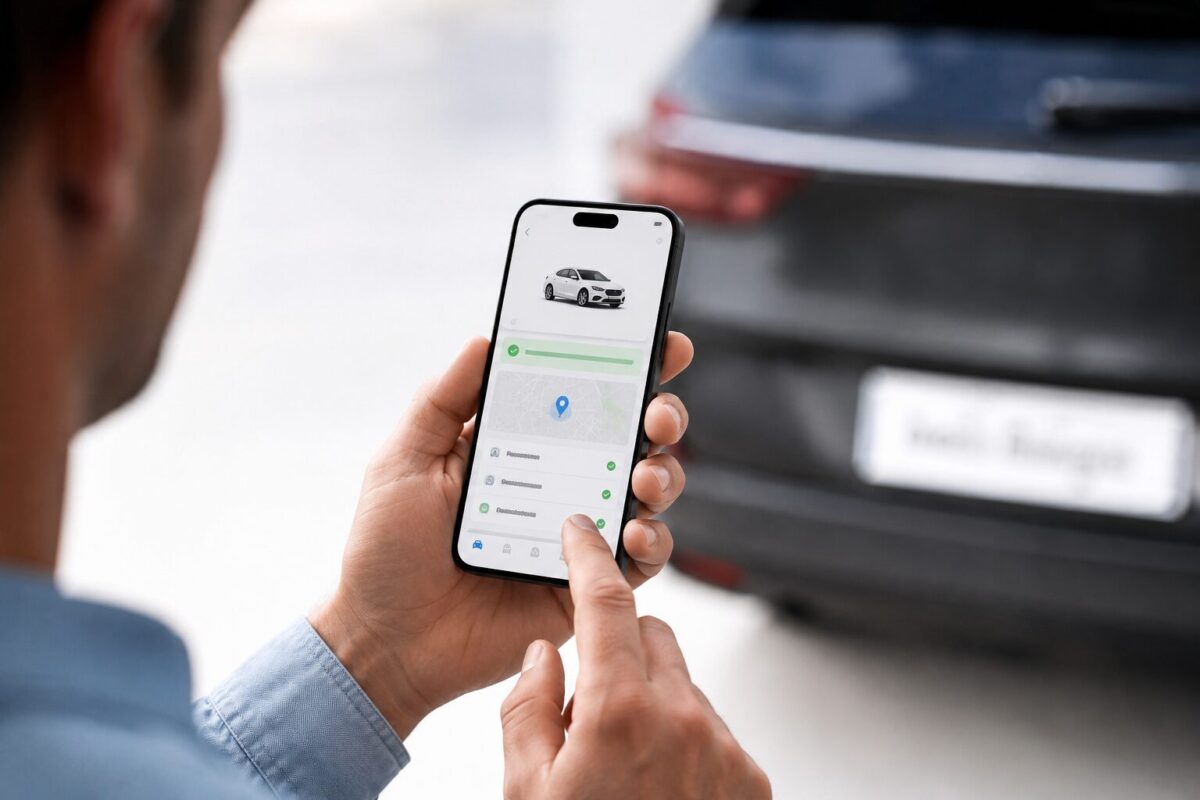
In my experience explaining this kind of tech to people, the part that surprises them most isn’t the screen; it’s the app. Most digital plates pair with a smartphone app that lets you report the vehicle stolen, display a custom message when the car is parked, or check your registration status without digging through the glovebox.
Pricing and What You’re Actually Paying For
This scenario is where digital plates get a reality check. Reviver’s RPlate runs as a subscription product rather than a one-time purchase. As of mid-2026, pricing has hovered around a few hundred dollars for the hardware itself plus a monthly or annual subscription fee, though exact numbers shift often enough that you should check Reviver’s official pricing page before assuming any figure is current.
That subscription isn’t optional padding, either. It’s what keeps the plate connected to cellular data and eligible for remote updates. Cancel it, and you’re left with a plate that no longer syncs, which somewhat defeats the purpose.
Compare that to a standard metal plate, which costs whatever your state charges for registration and nothing more. The gap is significant, and it’s the single biggest reason adoption has stayed slow.
Where Digital License Plates Are Actually Legal
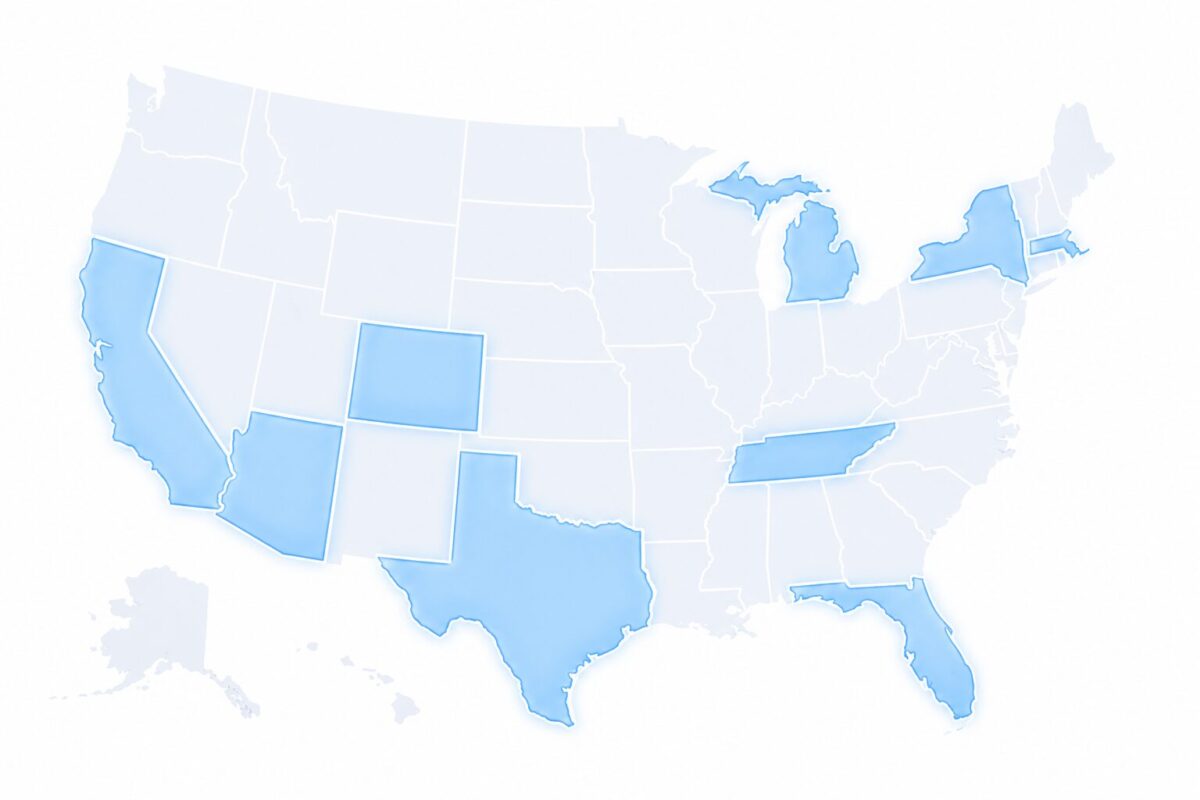
Legality varies a lot by state, and this changes often enough that guessing is a bad idea. California was the first state to legalize digital plates for personal vehicles back in 2022. Arizona, Texas, Michigan, and Colorado have followed with their legislation, though the rules on personal versus commercial use differ from one to the next.
Some states only permit digital plates on fleet or commercial vehicles right now, not personal cars. Others have pilot programs that cap the number of plates issued. Given how fast this shifts, your best move is checking your state DMV’s website directly rather than relying on a blog post, even a recent one, for the final word.
Digital License Plate: Pros and Cons Worth Weighing
The appeal is real for certain drivers. Fleet managers like the ability to track vehicle location and status from a dashboard instead of chasing paper renewals across dozens of cars. Individual owners tend to like the theft-alert feature and the novelty of a customizable display when parked.
But there are also real downsides. The subscription cost adds up over the life of the vehicle. Cellular connectivity means the plate depends on network coverage, and a dead module or lapsed subscription can leave you with a blank or outdated screen at the worst possible time, like during a traffic stop. E-ink displays can also be slower to update than people expect, sometimes taking a few seconds to refresh after a status change.
One thing worth flagging: digital plates raise privacy questions that a stamped metal plate never did. A connected, trackable plate means more data flowing somewhere, and how that data gets stored or shared isn’t always spelled out clearly to buyers. If that concerns you, it’s worth reading a company’s privacy policy in full before signing up, not just skimming the marketing page.
How It Compares to a Traditional Plate
| Digital License Plate | Traditional Plate | |
|---|---|---|
| Upfront cost | Hardware fee, often several hundred dollars | Standard registration fee only |
| Ongoing cost | Monthly or annual subscription | None beyond renewal |
| Registration updates | Automatic sync | Physical sticker required |
| Theft alert feature | Available on some models | Not available |
| Legibility in sunlight | Good with e-ink, variable with LED | Always consistent |
| Legal availability | Limited to specific states | Universal |
Reading that table, the honest takeaway is that a digital plate solves problems most drivers don’t actually have. If you don’t manage a fleet and don’t care much about the annual sticker ritual, the traditional plate is still simpler and cheaper.
Who Should Consider One (and Who Shouldn’t)
Fleet operators and rental companies are the clearest fit. Being able to see registration status, mileage triggers, and location for dozens of vehicles from one dashboard genuinely saves administrative time, and that’s reflected in how Reviver has marketed the product toward commercial customers as much as individual drivers.
For everyday personal use, it’s harder to justify unless you’re specifically drawn to the theft-alert feature or you just like being an early adopter of new automotive tech. Coverage from outlets like The Verge has generally framed digital plates as an intriguing experiment rather than something poised to replace metal plates anytime soon, and that assessment still holds up.
If cost is a factor at all, or if you live in a state where digital plates aren’t yet legal for personal vehicles, it’s simply not an option worth pursuing right now.
Digital License Plate: Frequently Asked Questions
Is a digital license plate legal everywhere? No. Legality is state-specific, and only a handful of states currently allow it, with rules that differ for personal versus commercial vehicles. Check your state DMV before buying one.
Do digital license plates require internet or cellular service to work? Yes, most models rely on a built-in cellular connection to sync registration status and enable features like theft alerts. Without that connection, the plate can’t update itself.
How much does a digital license plate cost? Pricing includes both a hardware cost and an ongoing subscription fee. Amounts change often enough that checking the manufacturer’s official pricing page is the only reliable way to get a current figure.
Can a digital license plate replace my regular plate entirely? In states where it’s legal, yes, it functions as your official plate rather than an accessory alongside one.
What happens if the subscription lapses? The plate typically stops receiving updates and may display outdated or blank information, which can create problems during traffic stops or registration checks.
A digital license plate isn’t a gimmick exactly, but it’s also not close to mainstream yet. For most drivers, a standard plate still does the job without a subscription attached to it. For fleet managers or people who genuinely want the added visibility and theft protection, it’s a reasonable, if pricier, alternative worth watching as more states weigh in on legality.