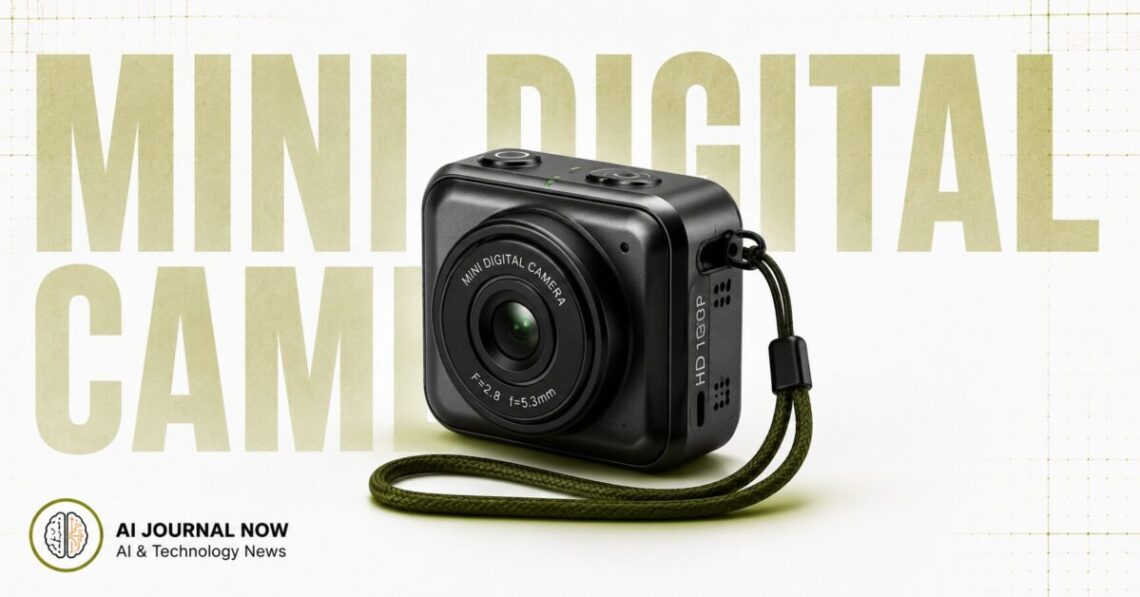
So you’re eyeing a mini digital camera and wondering if it’s actually worth carrying alongside a phone that already takes decent photos. Fair question. I get why people hesitate here, because on paper a smartphone should win every time. But there’s a specific kind of person who ends up loving these little things, and once you understand why, the decision gets a lot easier.
A mini digital camera is exactly what it sounds like: a compact, often palm-sized camera designed for casual, grab-and-go shooting rather than professional work. Some are retro-styled point-and-shoots. Others lean into vlogging with flip screens and built-in mics. A few are basically toy cameras dressed up with real sensors. The category is broad, and that’s part of what makes shopping for one confusing.
What Makes a Mini Digital Camera Different From Your Phone
Your phone’s camera is genuinely excellent. Computational photography has closed a lot of the gap that used to separate phones from dedicated cameras. So why would you still want a mini digital camera?
A few reasons keep coming up. First, dedicated optical zoom. Even a modest mini digital camera often includes a real zoom lens, something most phones fake through cropping and upscaling. Second, battery life is dedicated to one job. When you’re recording video for an hour at a party, you’re not also draining the battery you need for calls, maps, and everything else. Third, and this one surprises people, the physical act of holding a separate camera changes how you shoot. You slow down. You frame things differently. There’s a reason film-style mini cameras have stayed popular even as phone cameras improved.
None of this means a mini digital camera replaces your phone. It doesn’t replace your phone, and anyone who says it does is overselling the category. What it does is give you a second tool for specific situations: travel, parties, content creation, or just wanting a camera that feels like a camera instead of a slab of glass.
Design and Build Quality
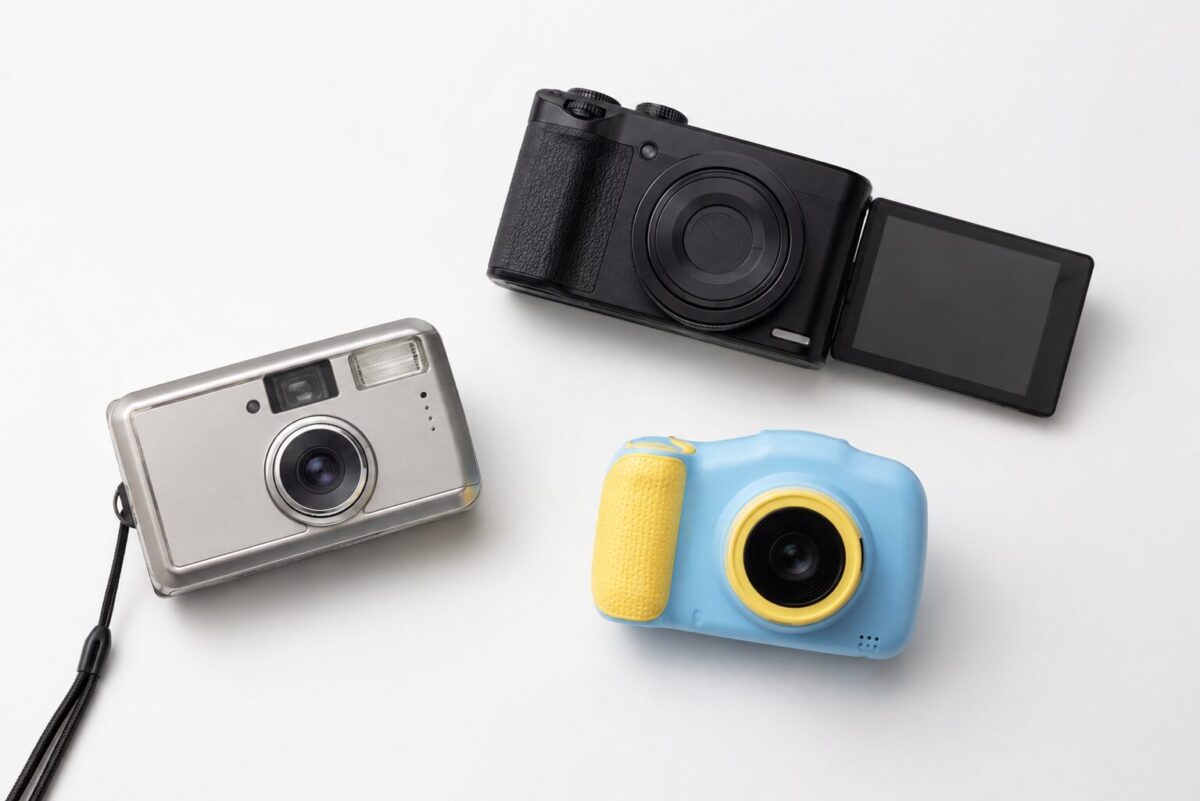
Build quality varies wildly in this category, more than in almost any other camera segment. On the higher end, you get metal or metal-composite bodies, real dials, and hinges that survive years of pocket use. On the lower end, you’re looking at plastic shells that feel exactly as cheap as they are.
In my experience, the physical controls matter more than people expect going in. A mini digital camera with a dedicated shutter button and a simple mode dial is just more pleasant to use daily than one buried in touchscreen menus. If you can, check reviews or hands-on videos before buying, because photos on a product page never tell you how a camera actually feels in hand.
Weight and pocketability are the main reasons to choose this category, so be sure to check the dimensions. Some “mini” cameras are genuinely pocket-sized. Others are mini only compared to a full DSLR, which isn’t a fair comparison anyone should make.
Screen and Viewfinder Considerations
Most mini digital cameras skip a viewfinder entirely and rely on a rear screen, which keeps costs and size down. Flip screens have become common on vlogging-oriented models, and if you’re recording yourself, this feature alone might decide your purchase. Screen resolution on budget models can be rough and grainy enough that you won’t fully trust your framing until you review footage on a bigger display later.
Image Quality and Sensor Size
Here’s where expectations need adjusting. A mini digital camera almost never matches the image quality of flagship phones in low light, because sensor size still matters more than megapixel count, and small bodies mean small sensors. Manufacturers know these facts, which is why marketing often leans on retro aesthetics, film simulation modes, or vlogging features rather than raw image quality claims.
In good light, results can genuinely surprise you. Outdoor daytime shots, well-lit indoor scenes, and casual portraits are where mini digital cameras hold their own. Push into dim restaurants or nighttime shots, and the gap versus a modern phone widens fast. If low-light performance is your priority, this category probably isn’t your answer, and no amount of editing fully closes that gap.
Video quality follows a similar pattern. Plenty of mini digital cameras now shoot respectable 1080p or even 4K footage, but bitrate, stabilization quality, and autofocus speed vary enormously between models. Read actual sample footage reviews rather than trusting spec sheets alone, since two cameras with identical resolution numbers can look entirely different in motion.
Battery Life and Storage
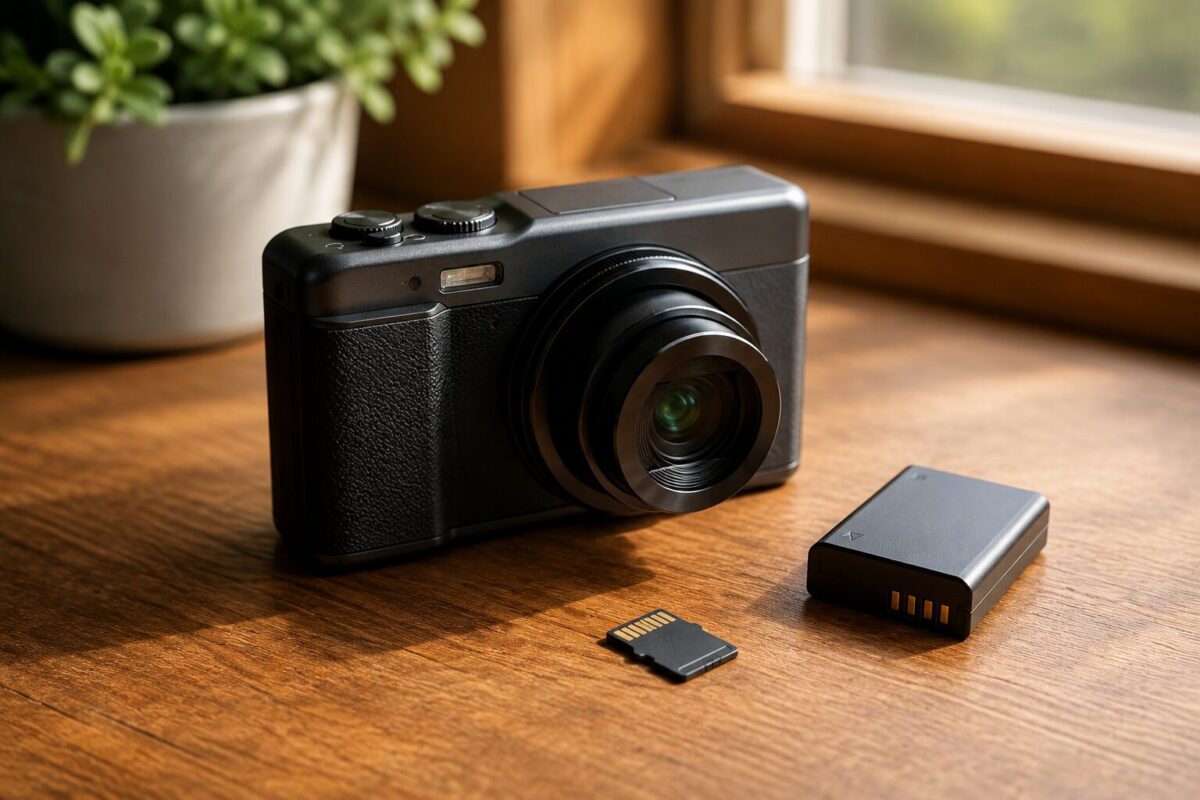
Small bodies mean small batteries, and this is one area where the category consistently disappoints newcomers. Don’t expect all-day shooting from most mini digital cameras. A few hundred shots or an hour or two of continuous video is closer to realistic, depending heavily on screen usage and video resolution.
Buy a spare battery. Seriously. It’s the single most common regret I see mentioned in user reviews across this category, and spares are usually cheap relative to the camera itself.
Storage is almost always via microSD card, and it’s rarely included in the box. Factor that into your budget before you get to checkout and feel surprised by the extra cost.
Notable Categories Worth Knowing
A few well-known camera makers have carved out space in this segment, and it helps to know the general shapes the category takes before you start comparing individual models.
Kodak’s PIXPRO line leans into compact zoom cameras with a straightforward, no-frills approach aimed at casual shooters. Fujifilm’s Instax series takes the opposite route, blending instant film nostalgia with modern digital convenience. Canon’s IVY series targets younger, social-media-first users who want a camera that doubles as a lifestyle accessory. If you’re leaning toward a vlogging-first pick instead, action-style mini cameras from brands like Insta360 fill that gap with rugged, stabilized footage aimed squarely at content creators.
None of these picks are universally “best.” They’re built for different habits, and matching the camera to how you’ll actually use it matters more than chasing spec sheets.
| Camera Style | Best For | Watch Out For |
|---|---|---|
| Retro point-and-shoot | Casual daily carry, aesthetic-first buyers | Weaker low-light performance |
| Instant/hybrid film camera | Physical prints, gifting, parties | Ongoing film cost |
| Vlogging-focused mini camera | Content creators, flip-screen selfies | Shorter battery life during recording |
| Rugged action mini camera | Travel, outdoor activity, motion | Limited zoom range |
Who Should Buy One, and Who Should Skip It
If you already love your phone’s camera and rarely shoot in tricky conditions, you probably don’t need a mini digital camera. That’s a fine answer, and I’d rather say it plainly than talk you into an unnecessary purchase.
But if you’re a casual content creator who wants a dedicated device that doesn’t eat phone battery, or someone who likes the tactile experience of a real camera for parties and travel, or a parent wanting a durable first camera for a kid, this category earns its keep. It’s also worth considering if you specifically want optical zoom without paying flagship phone prices.
Skip it if low-light performance is non-negotiable for you or if you’re not willing to manage a separate battery and memory card as part of your routine. That extra step is more of a hassle than many people expect.
Mini Digital Camera: Pricing and Where to Buy
Pricing across this category spans a wide range, from budget toy-adjacent models to more capable compacts that edge closer to entry-level mirrorless pricing. Since pricing shifts often and varies by retailer, check the manufacturer’s official site or a trusted retailer for current figures as of mid-2026 rather than relying on older listings you might come across.
Reputable tech outlets like The Verge regularly publish hands-on reviews of new mini digital camera releases, and these are worth checking before buying, since real-world sample photos tell you more than any spec sheet.
Mini Digital Camera: Frequently Asked Questions
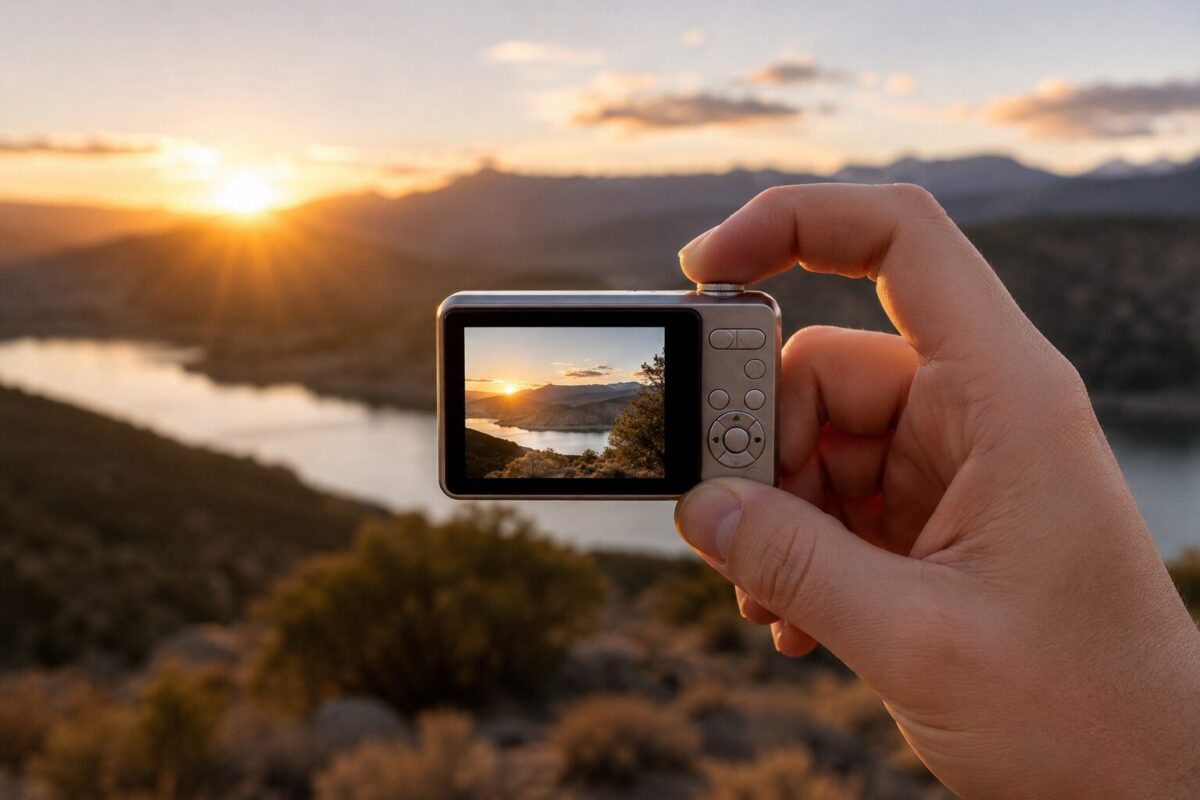
Is a mini digital camera better than a phone camera? Not universally. It wins on optical zoom, dedicated battery life, and physical controls. A modern phone usually wins on low-light performance and computational features. Which one is “better” depends entirely on how and where you shoot.
Do mini digital cameras shoot in 4K? Many newer models do, though quality varies by brand and price point. Always check actual sample footage rather than trusting resolution numbers alone, since bitrate and stabilization affect real-world sharpness more than pixel count.
What’s the average battery life on a mini digital camera? It depends on the model, but a few hundred photos or one to two hours of video is a realistic baseline for most compact models. Buying a spare battery is a common and sensible workaround.
Are mini digital cameras good for beginners? Generally yes. Simpler controls and forgiving auto modes make this category approachable, and the digital camera fundamentals transfer well if someone later upgrades to a more advanced setup.
Do these cameras need a memory card? Almost always, yes. MicroSD cards are typically sold separately, so budget for one before checkout.
If you’re weighing this purchase, be honest with yourself about how often you’ll actually carry a second device. A mini digital camera that sits in a drawer isn’t worth it, but one that gets used weekly can really change how you document things.