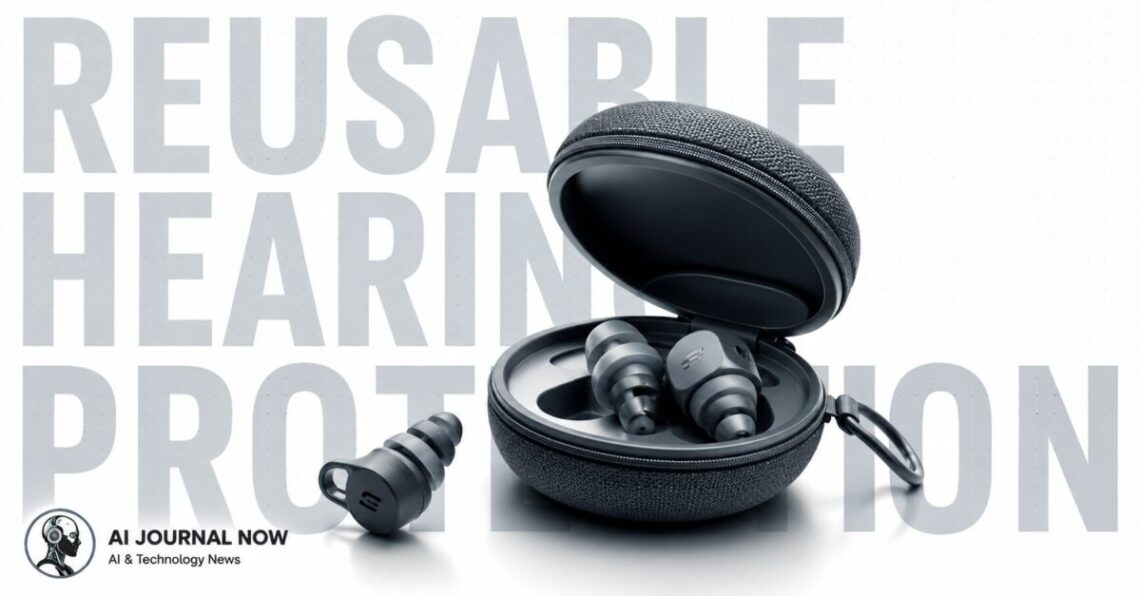
If you’ve ever left a concert with your ears ringing or spent a Saturday running a lawnmower without protection, you already know why reusable hearing protection exists. Unlike foam earplugs you toss after one use, reusable options are built to last, and the best ones actually fit better too.
This isn’t a niche product category anymore. Musicians, construction workers, parents at fireworks shows, and people who just live in loud cities are all reaching for reusable hearing protection instead of the disposable foam plugs that used to be the default. The reasons are practical: better comfort over long wear, more consistent noise reduction, and lower cost over time since you’re not buying a new pair every week.
What Counts as Reusable Hearing Protection
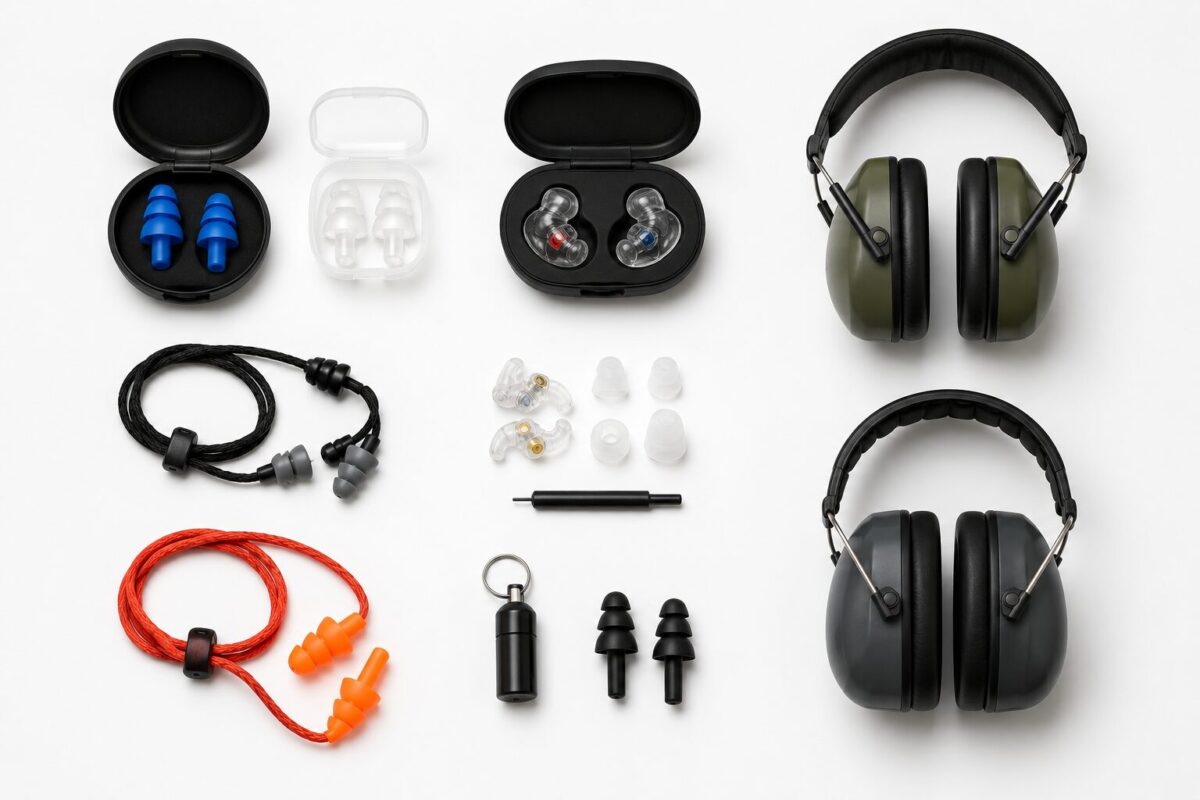
Reusable hearing protection covers a few distinct product types, and they’re not interchangeable.
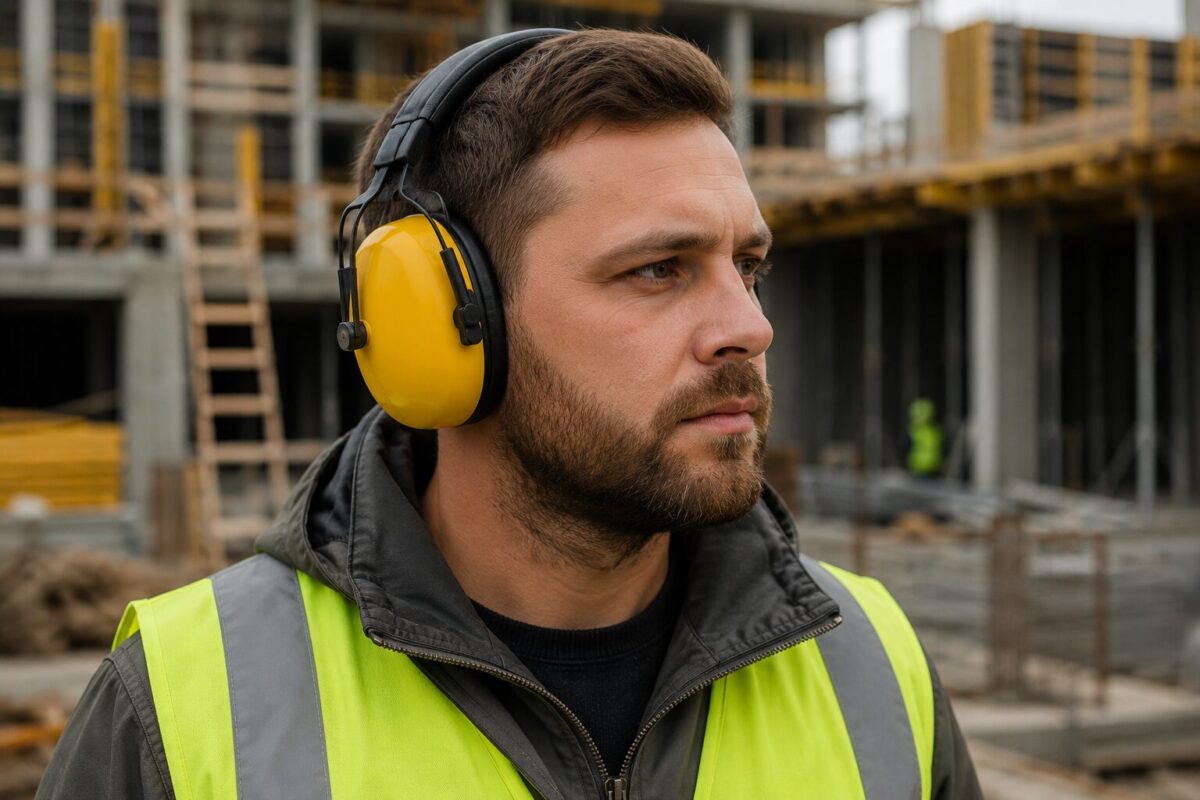
Silicone and moldable earplugs sit at the entry level. They’re soft, reusable for weeks or months, and simple to clean. Filtered earplugs, the kind musicians and concertgoers favor, use small acoustic filters to reduce volume while keeping sound quality relatively natural. Then there’s custom-molded hearing protection, made from impressions of your actual ear canal, which tends to cost more but fits better than anything off the shelf. Earmuffs complete the category, and while they’re bulkier, they’re often the preferred choice for shooting ranges and heavy machinery work because they don’t require insertion into the ear canal.
The right pick really depends on what you’re protecting your ears from. A construction worker and a violinist need different things, even though both are technically buying “hearing protection.”
Understanding Noise Reduction Ratings
This is the part people skip, and it’s the part that actually matters. In the US, hearing protection is labeled with a Noise Reduction Rating (NRR), a number that estimates how many decibels the product can reduce under lab conditions. A pair rated NRR 25 sounds like it blocks 25 decibels, but in real-world use, the actual reduction is usually lower because most people don’t get a perfect seal every time they insert earplugs.
A rule of thumb that audiologists use: take the NRR, subtract 7, then divide by 2 to estimate real-world protection. So an NRR 25 earplug realistically gives you closer to 9 decibels of reduction in everyday use. That’s not a flaw in the product; it’s just how lab testing versus real-world fit tends to play out.
For reference, the CDC’s National Institute for Occupational Safety and Health (NIOSH) notes that prolonged exposure above 85 decibels can cause hearing damage over time, and sounds above 120 decibels can cause immediate harm. A rock concert can hit 110 decibels. A chainsaw runs around $120. Knowing these figures helps you match the product to the actual noise level you’re dealing with instead of just grabbing whatever’s cheapest.
Filtered Earplugs vs Basic Foam-Style Reusables
Here’s where many buyers get confused. Basic reusable silicone plugs mute everything more or less equally, which is fine for sleeping or blocking traffic noise, but it makes music and conversation sound muddy and flat.
Filtered earplugs work differently. Brands like Loop Earplugs and Etymotic Research create acoustic filters that lower the overall volume while preserving the balance between frequencies, allowing a concert or a bar to still sound like itself, just quieter. Musicians and audio engineers tend to prefer this style specifically because it doesn’t wreck the sound the way basic foam or silicone plugs do.
In my experience, this feature is the single biggest factor people overlook when shopping. If you’re buying for sleep or general noise reduction, filtered plugs are overkill and pricier than you need. If you’re buying because you want to protect your hearing at shows or while playing an instrument without losing sound quality, basic plugs will leave you unsatisfied fast.
Fit Matters More Than the Spec Sheet
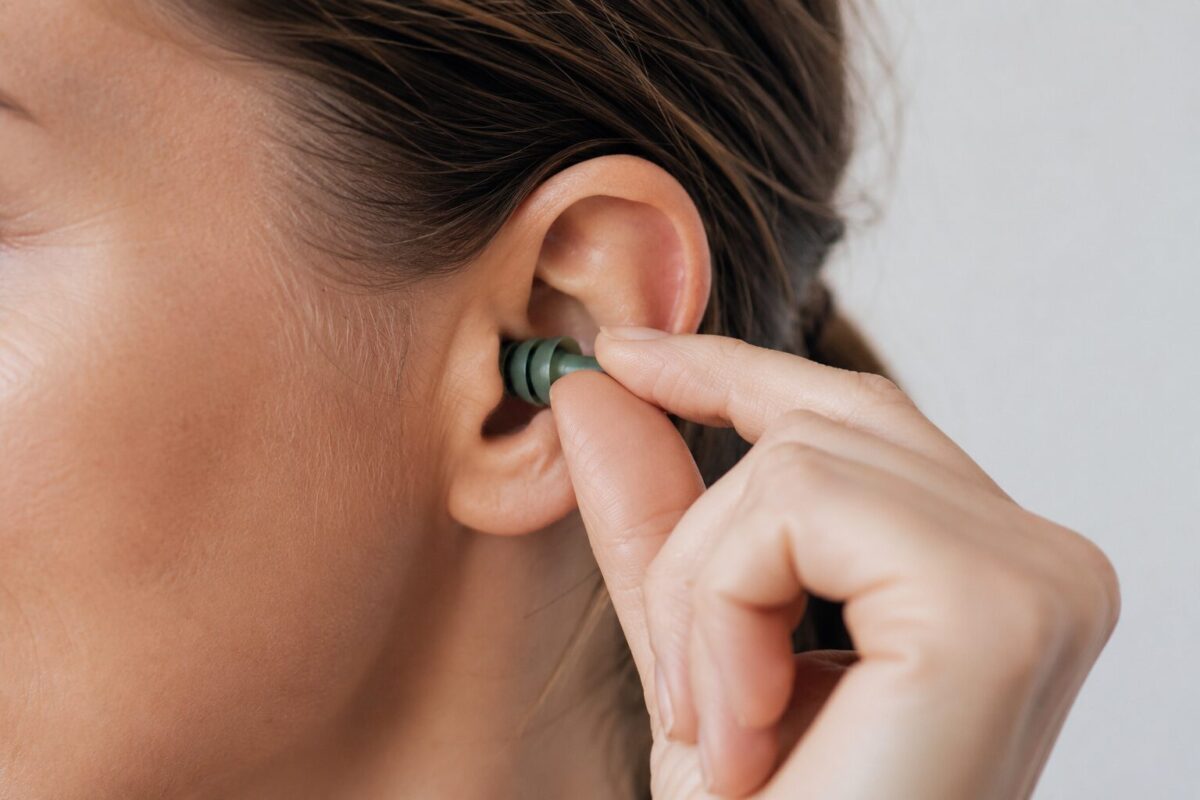
A hearing protection product with a great NRR number is useless if it doesn’t seal properly in your ear canal. Ear canal shapes vary a lot between people, which is why most reusable earplugs ship with three or four tip sizes.
The test is simple: insert the plug, then talk. If your voice sounds boomy or echoey inside your head, you’ve got a decent seal. Should you notice ambient sound leaking in around the edges, consider trying a different tip size before concluding that the product itself is bad.
This area is also where custom-molded options earn their higher price tag. Companies that take an impression of your ear canal and build a plug specifically for that shape tend to deliver more consistent protection than anything sold in generic small, medium, or large sizing. It’s not necessary for casual use, but for musicians, audio professionals, or anyone with atypical ear canal shapes, it’s worth the investment.
Pricing and What You’re Actually Paying For
Reusable hearing protection spans a wide price range, and the differences aren’t random.
Basic silicone reusable plugs typically run $10 to $20 for a set, and they’re fine for sleep, travel, or light noise reduction. Filtered musician-style earplugs, from brands like Loop or Etymotic, usually land between $25 and $50, with the price reflecting the acoustic filter technology and often a carrying case built for daily use. Custom-molded protection is a different tier entirely, often $150 to $300 depending on the provider, since it involves a professional ear impression and manufacturing to your specific shape.
As of mid-2026, pricing across these categories has stayed fairly stable, though it’s always worth checking current listings on official sites since promotions and product line changes happen fairly often.
Cleaning and Maintenance
One advantage of reusable hearing protection over foam is that you don’t throw it away after every use, but that also means you have to clean it. Silicone and filtered plugs should be wiped down with a damp cloth or mild soap solution after use, especially if you’re wearing them somewhere sweaty or dusty.
Avoid alcohol-based wipes on filtered earplugs specifically, since some acoustic filter materials can degrade with repeated alcohol exposure. Check the manufacturer’s care instructions before assuming a general cleaning method is safe for a specific product. Earmuffs need less frequent cleaning but benefit from occasionally wiping down the ear cushions, which can otherwise harden or crack over time with sweat exposure.
Reusable Hearing Protection: Who Should Buy What
If you’re dealing with general environmental noise, snoring partners, or loud neighbors, basic reusable silicone plugs are enough, and there’s no reason to spend more.
If you go to concerts regularly, play in a band, or work somewhere with constant moderate noise like a restaurant kitchen, filtered earplugs are worth the extra cost. You’ll actually want to wear them because they don’t ruin how things sound, and something you’ll really use consistently is always better protection than something sitting in a drawer.
For anyone working in genuinely hazardous noise environments (industrial settings, firearms, heavy machinery), earmuffs or custom-molded protection makes more sense, sometimes even layered together for extra reduction. The Occupational Safety and Health Administration (OSHA) has specific guidance on hearing conservation programs for workplaces that regularly exceed safe noise thresholds, and it’s worth a look if you’re buying protection for job-related use rather than personal use.
Common Mistakes People Make
A few patterns show up again and again. People buy filtered musician earplugs for sleeping, then get frustrated that they still hear too much, not realizing filtered plugs are designed to preserve sound clarity rather than maximize blocking. Others buy the cheapest silicone plugs for a concert and end up disappointed by how muffled and distorted the music sounds.
Another common misconception is that a higher NRR number always means better protection. It doesn’t, if the fit is bad. A properly fitted NRR 20 plug will outperform a poorly fitted NRR 33 plug every time. Fit and consistency of wear matter more than the number on the package.
Reusable Hearing Protection: FAQs
Do reusable earplugs work as well as disposable foam ones? For general noise reduction, yes, and often better since they maintain their shape over repeated use instead of compressing and wearing out. For maximum single-use blocking in short bursts, foam still has a slight edge in raw NRR numbers.
How long do reusable hearing protection products last? Silicone and filtered plugs typically last several months to a couple of years with proper cleaning and storage. Earmuffs can last years if the ear cushions are replaced periodically, since those wear out before the shell does.
Can I sleep in filtered earplugs? You can, though basic reusable plugs are usually more comfortable for all-night wear since filtered designs are built more for shorter listening sessions, like concerts or events.
Is custom-molded hearing protection worth it for casual use? Custom-molded hearing protection is generally not necessary for casual use, but it is genuinely useful for musicians, frequent concertgoers, or anyone whose ear canal shape makes off-the-shelf sizing consistently uncomfortable.
What NRR rating should I look for? For moderate noise like traffic or snoring, an NRR in the low-to-mid 20s is usually enough. For high-noise environments like concerts, shooting ranges, or industrial work, look toward NRR 30 and above, paired with a proper fit check. The National Institute for Occupational Safety and Health provides more detailed guidance on matching protection levels to specific noise exposure situations if you want to go deeper into the science.